2025
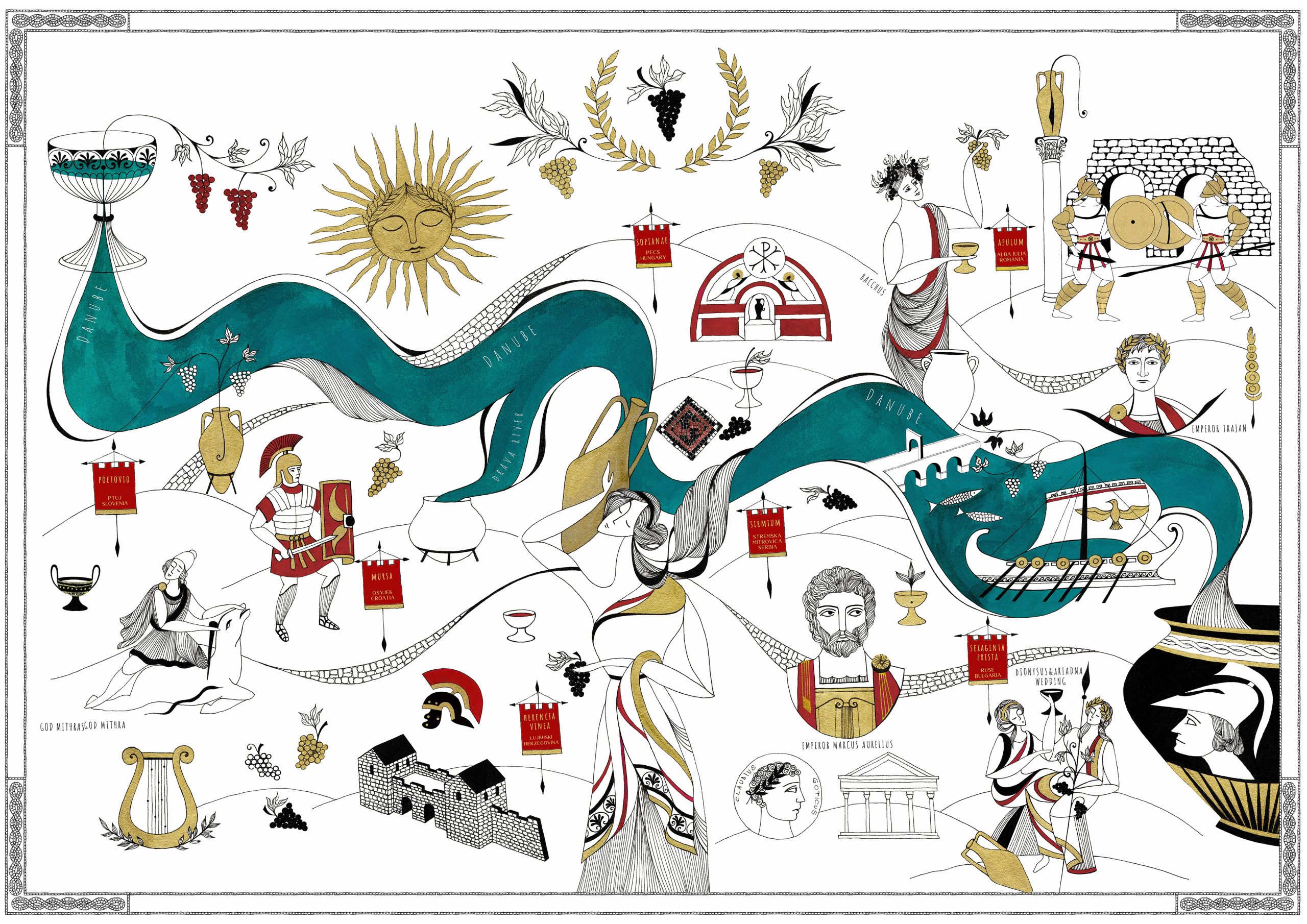
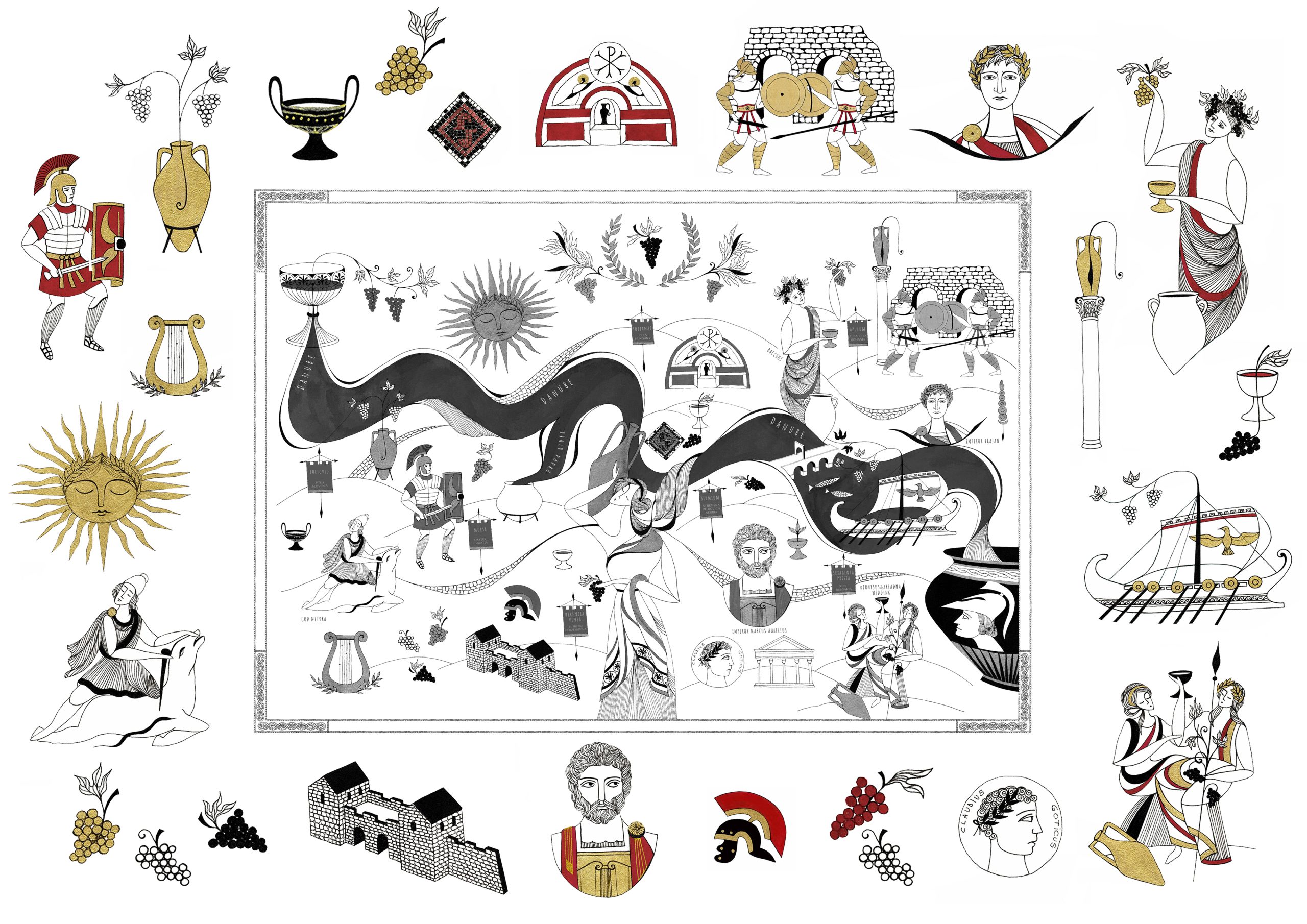
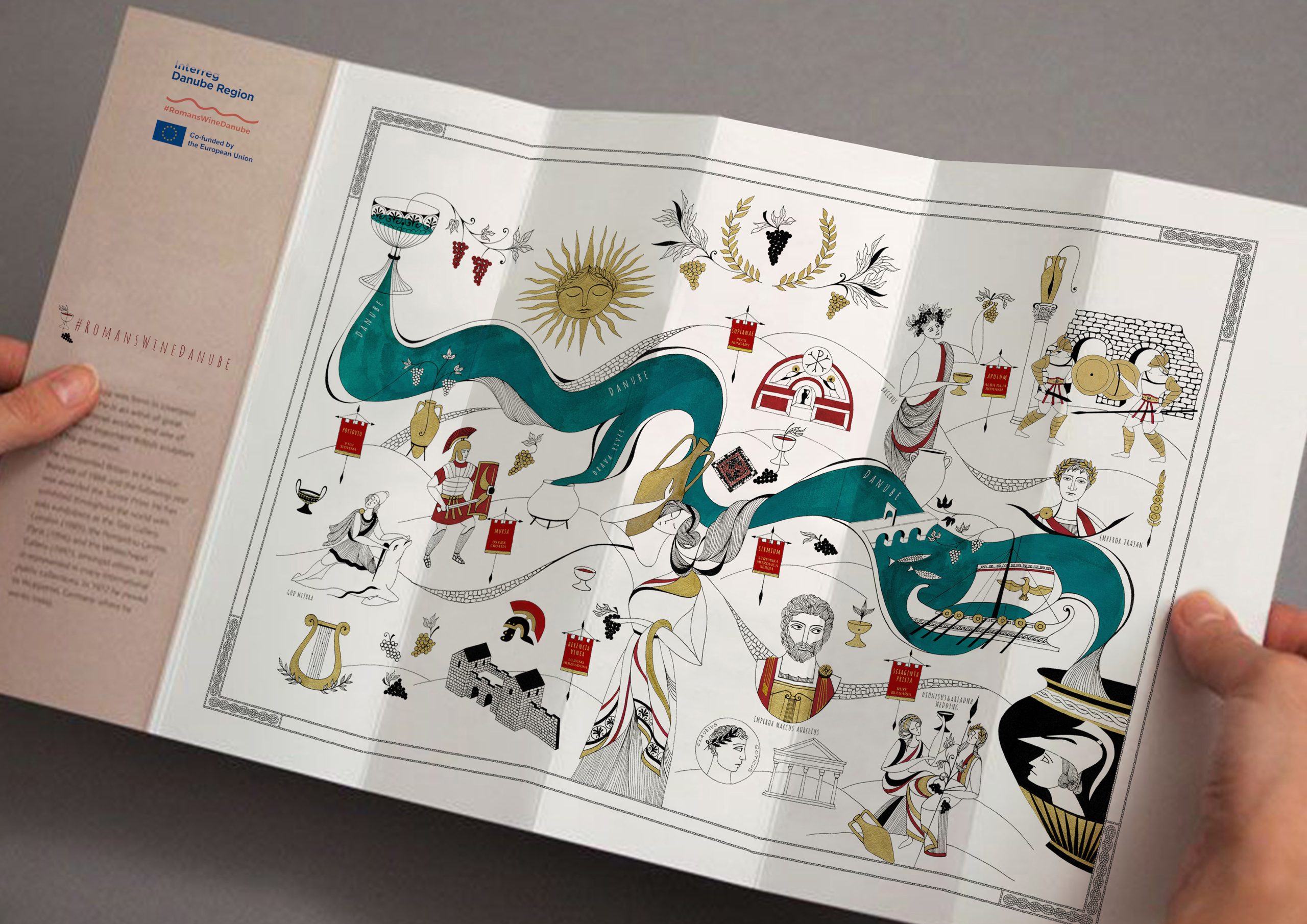
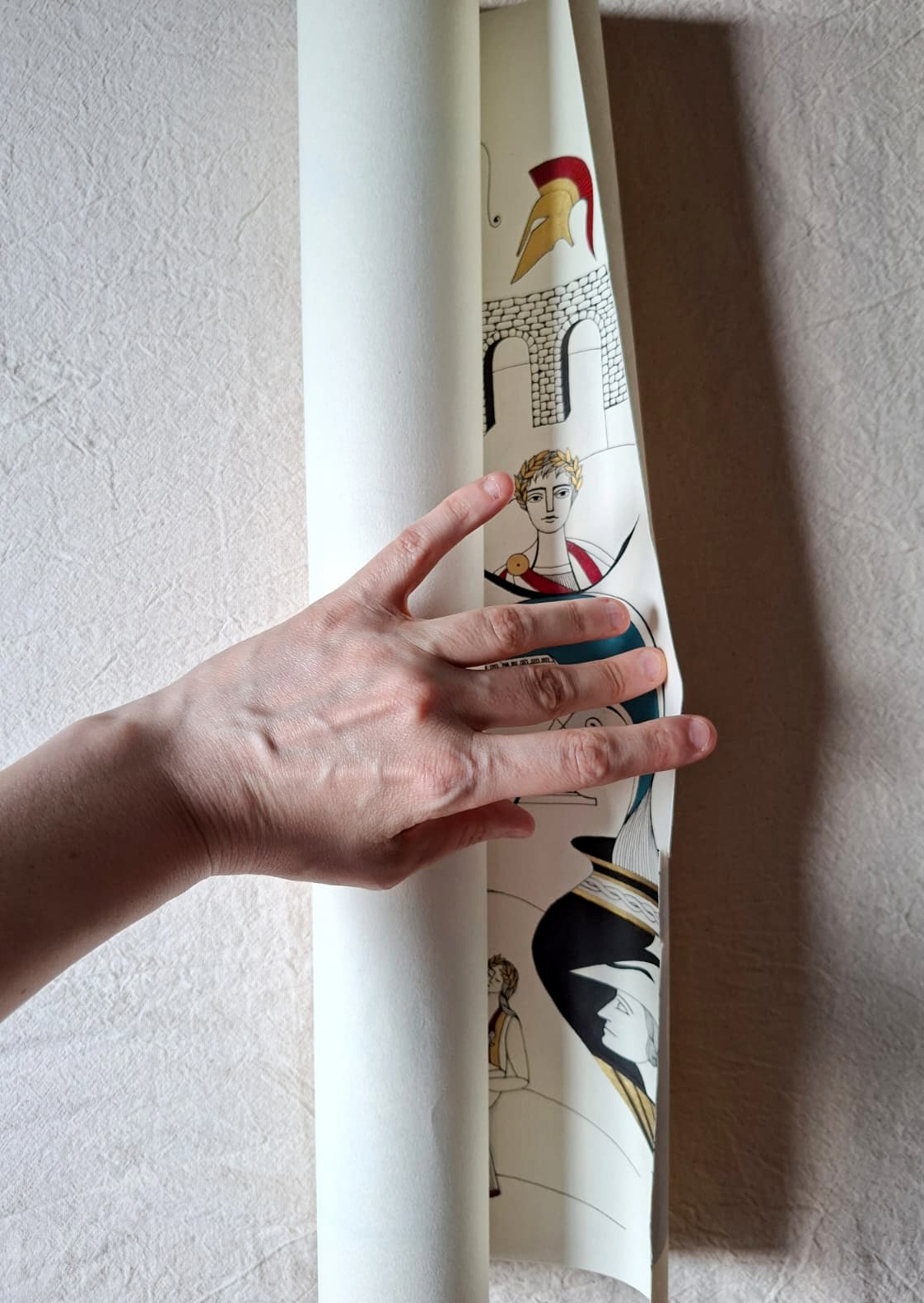
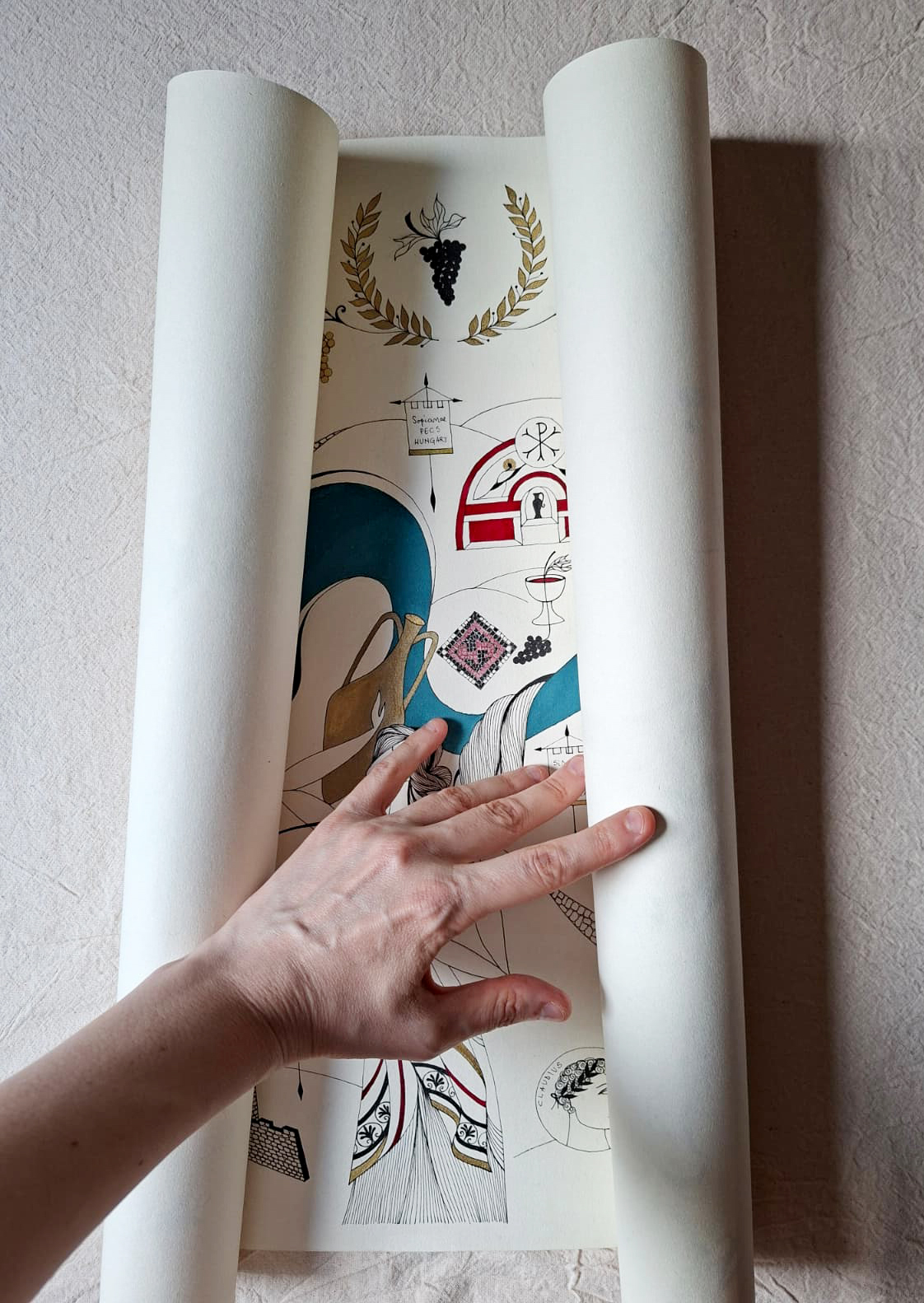
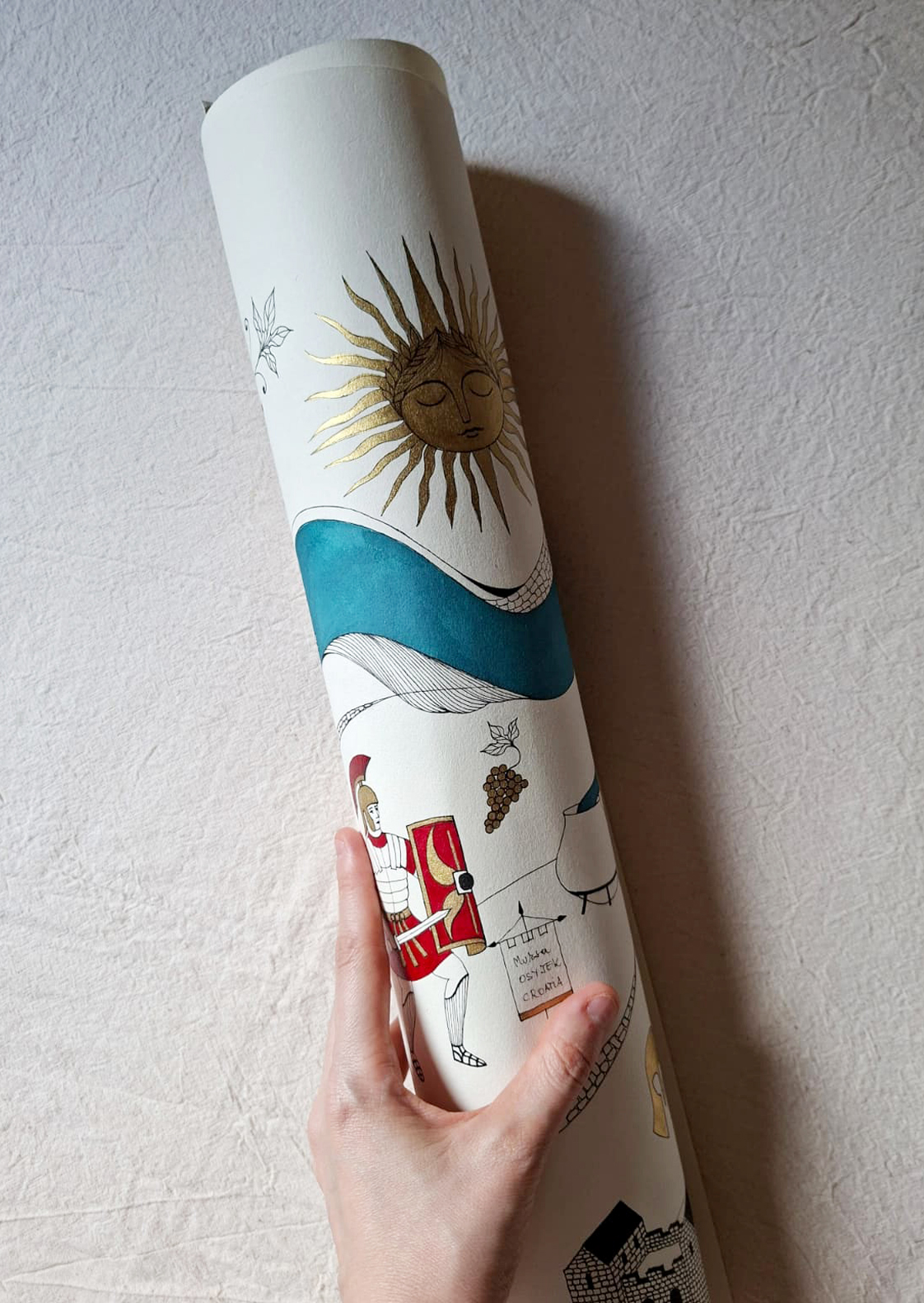
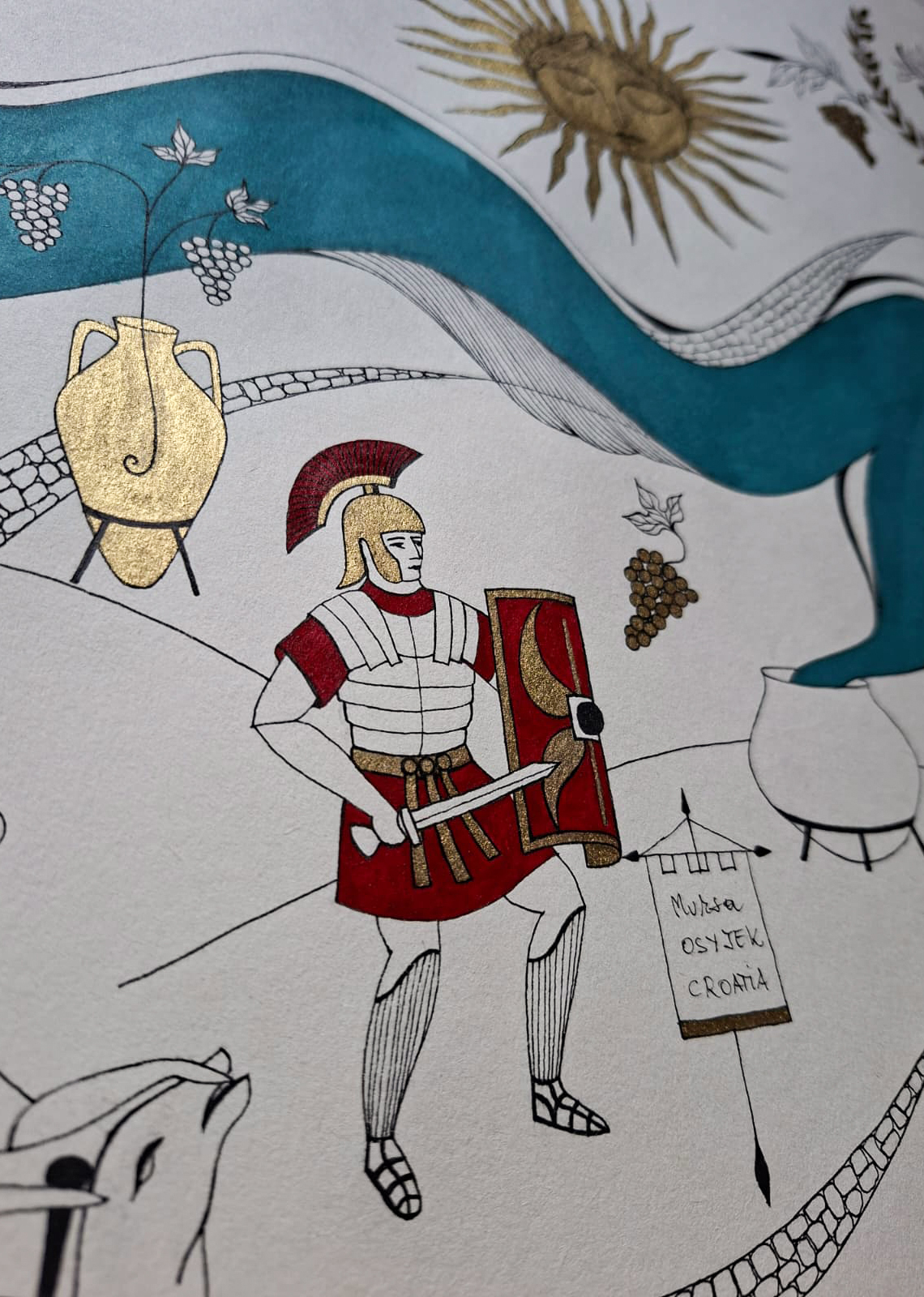
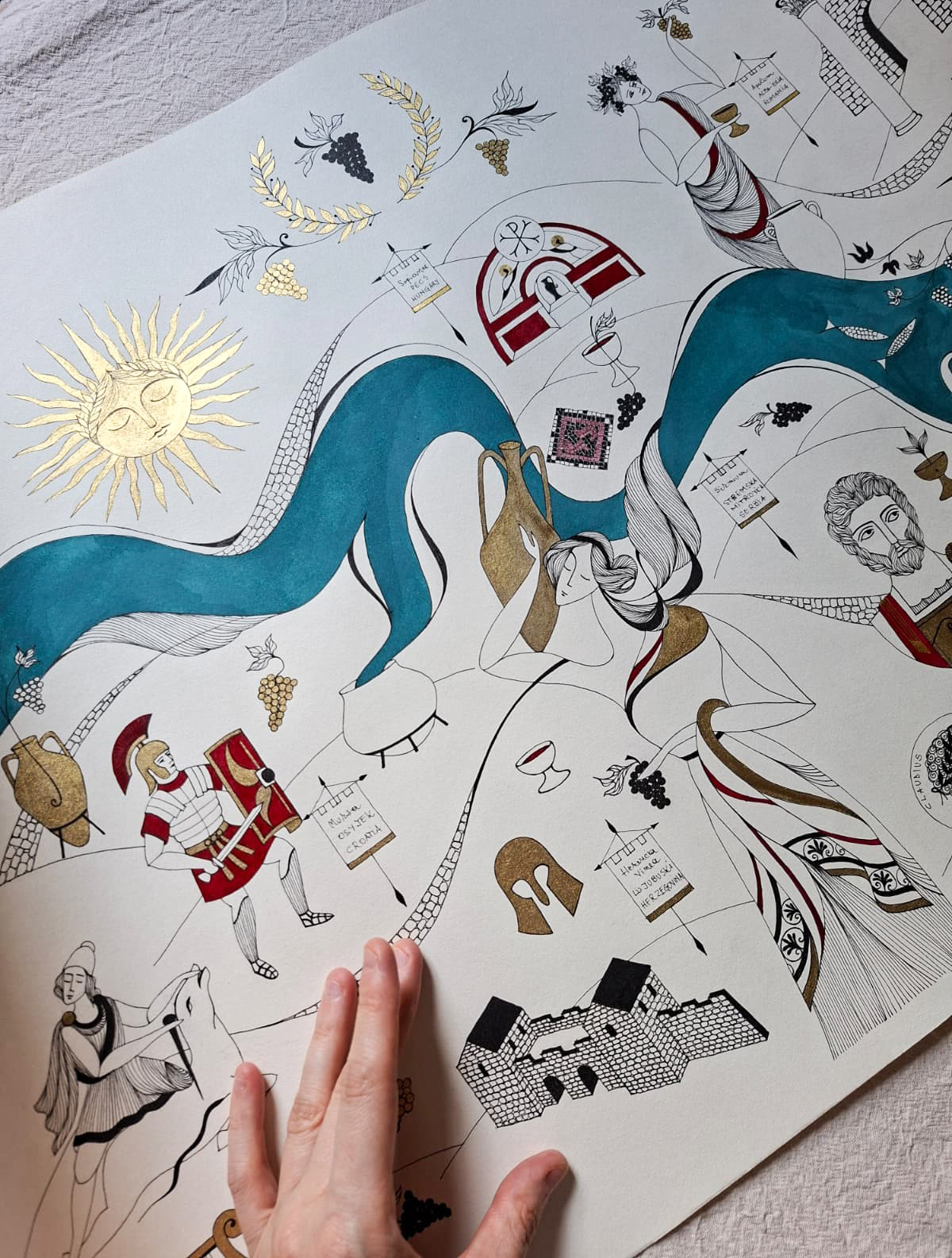
For the European project #RomansWineDanube, I created a conceptual illustrated map of the Roman Emperors and Danube Wine Route, translating the cultural heritage of the route into a visual story about travel, memory, and discovery.
#RomansWineDanube is a transnational project co-funded by the Interreg Danube Region Programme, building upon and further developing the existing Roman Emperors and Danube Wine Route, certified as a Cultural Route of the Council of Europe. The project aims to preserve, interpret, and promote the cultural and archaeological heritage left by the Roman Empire across the Danube region, while also highlighting the long-standing wine traditions connected to these territories.
With its Danube and Adriatic Trails, the cultural route currently extends across European countries : Slovenia, Hungary, Croatia, Serbia, Bulgaria, Romania, Albania, Montenegro, North Macedonia and Bosnia and Herzegovina. It brings together archaeological sites, places, and monuments connected to the legacy of Roman emperors in Late Antiquity, alongside wine-producing regions whose traditions contribute another layer to the cultural narrative of the route.
My role as an artist was to translate this journey into a conceptual graphic story, capturing through illustration the essence of the different places, their symbols, and the cultural traces left by the Roman world. Rather than creating a conventional geographical map, I approached it as an illustrated journey in which history, mythology, architecture and wine culture come together within a single visual universe.
The illustration was developed through an extensive process of research and documentation into the history and particular character of the different destinations along the route, in collaboration with the OnlineHub team, who were responsible for the souvenir design. The starting point was a storytelling concept developed by OnlineHub : a tale with the atmosphere of a fable, in which the Danube itself becomes the storyteller and the guiding thread of the journey, leading the traveller from one place to another and inviting them to experience the route not only geographically, but through history, imagination, and discovery.
The artwork I created was conceived as the graphic element for the #RomansWineDanube souvenir collection, to be translated across objects accompanying the travel experience and encountered at various destinations, cultural sites, and museums along the route. In this way, the illustrated map becomes a small object of memory in itself — a visual representation of a shared heritage that crosses countries, cultures, and centuries.
Project: #RomansWineDanube — Interreg Danube Region, co-funded by the European Union
Souvenir design & storytelling: OnlineHub Marketing Agency
Visual Concept & Illustration : ABO
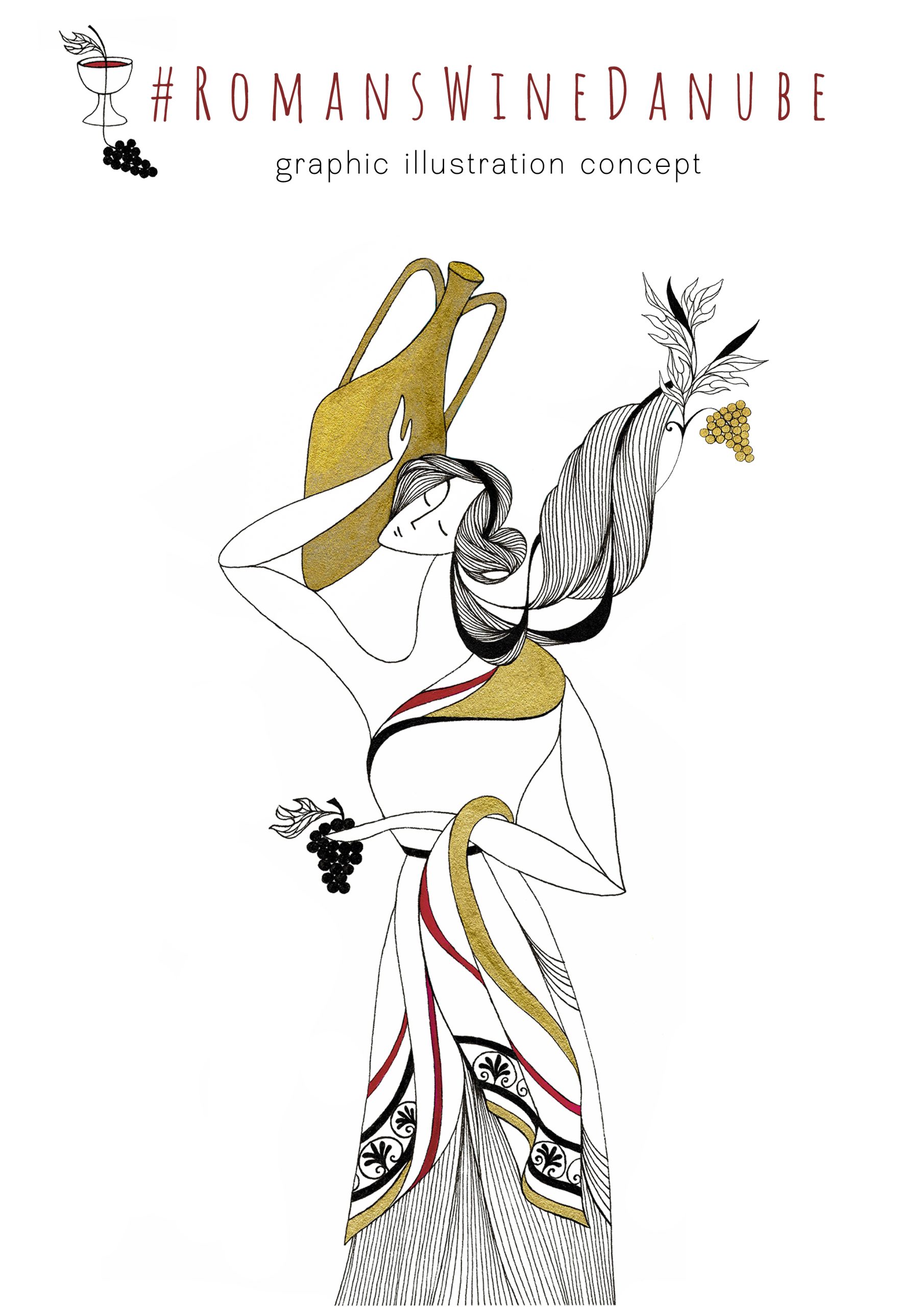
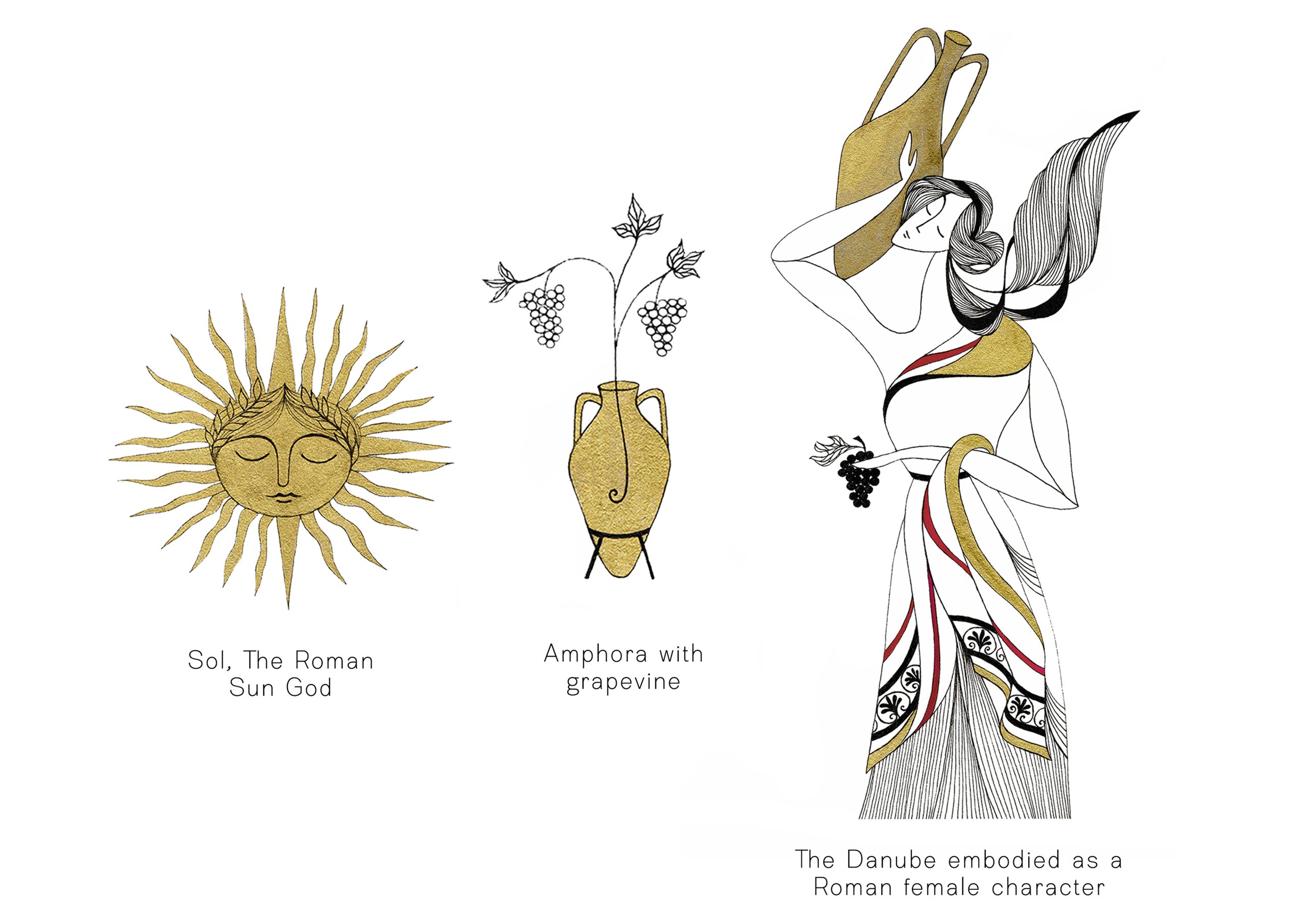
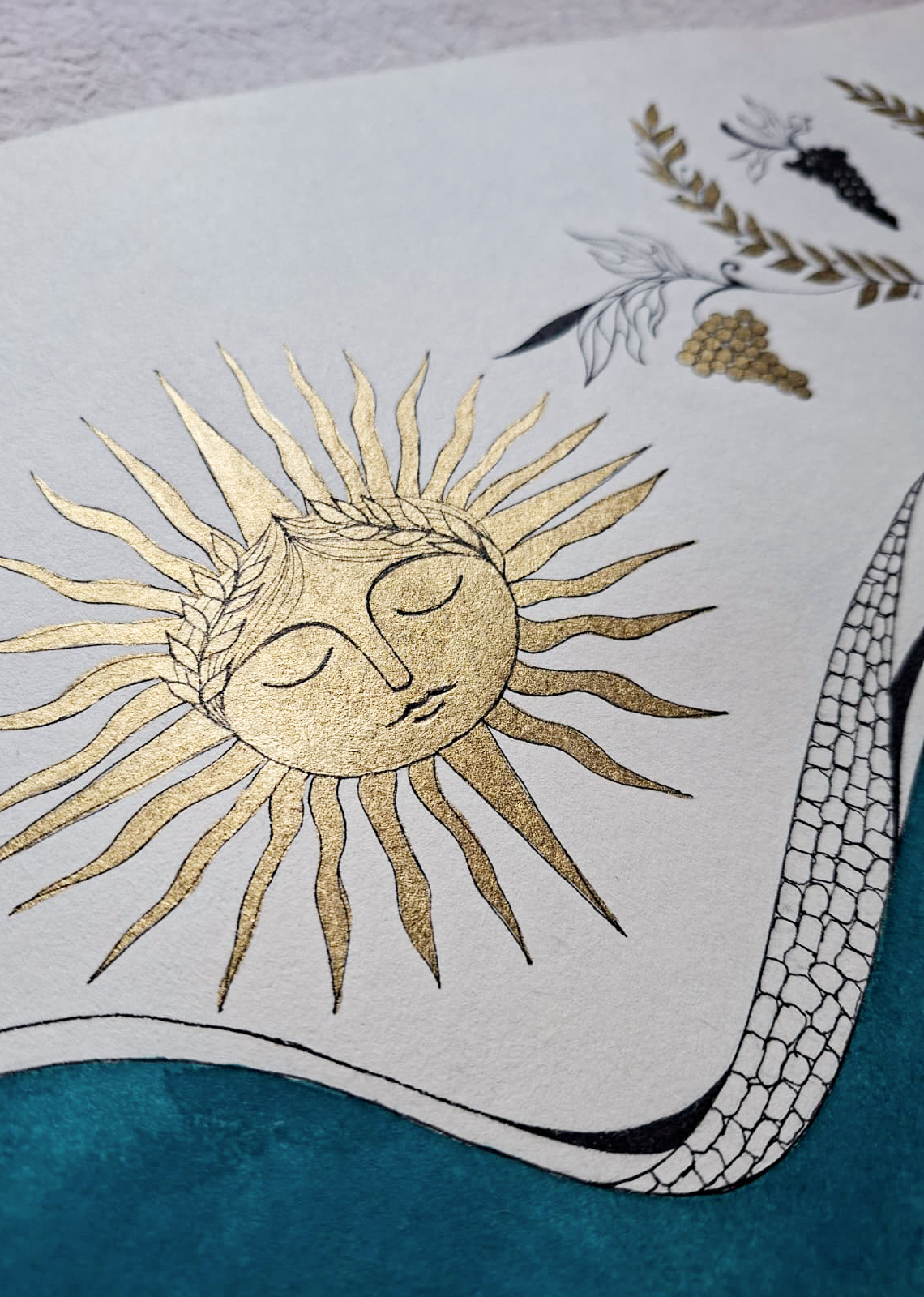
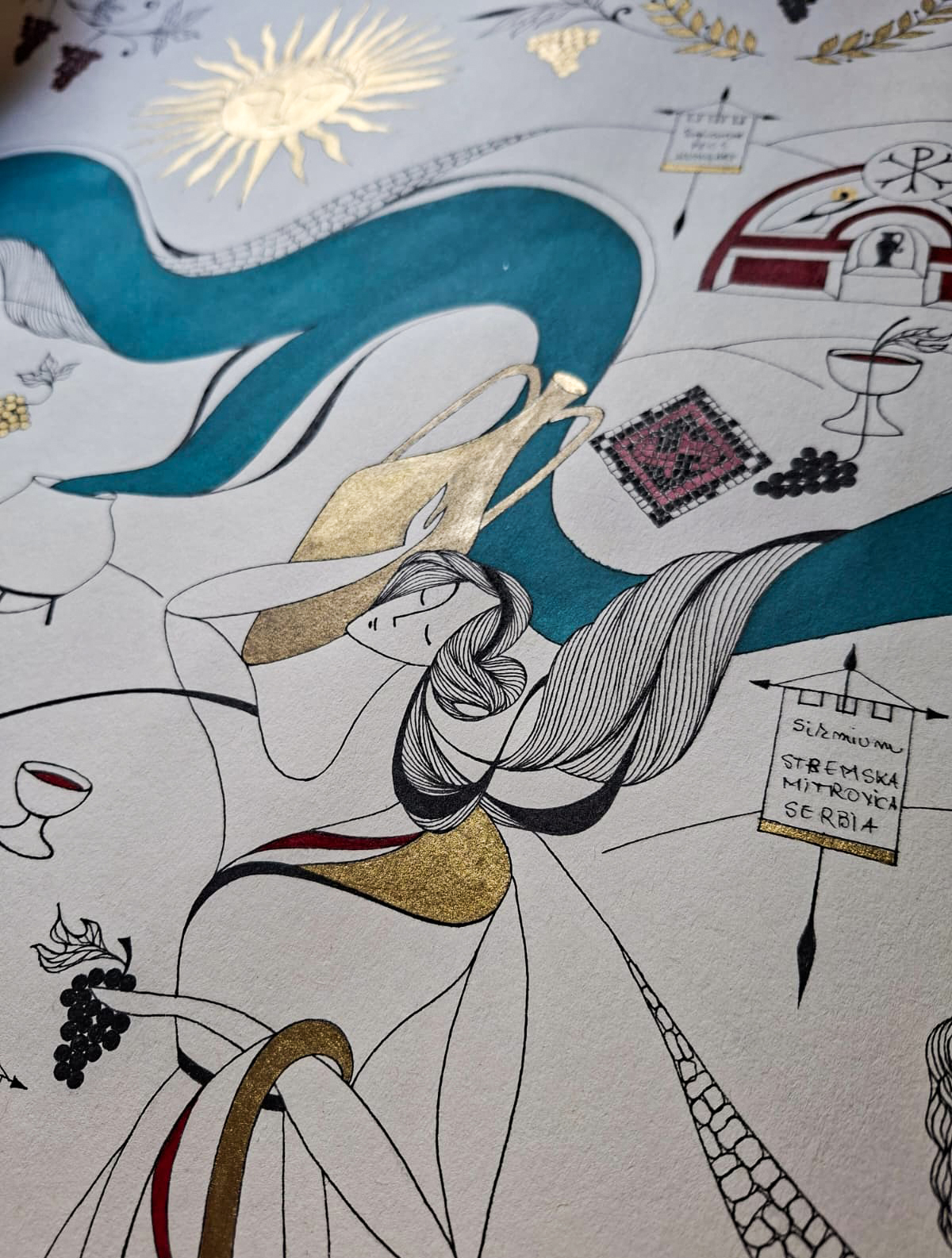
The illustration created for the Romans Wine Danube project is rooted in the storytelling concept, with the Danube imagined as a monumental feminine figure who embodies the role of the narrator. The destinations are woven together not only through the river’s flow but also through the “Roman road,” symbolically represented as a thread of continuity and connection.
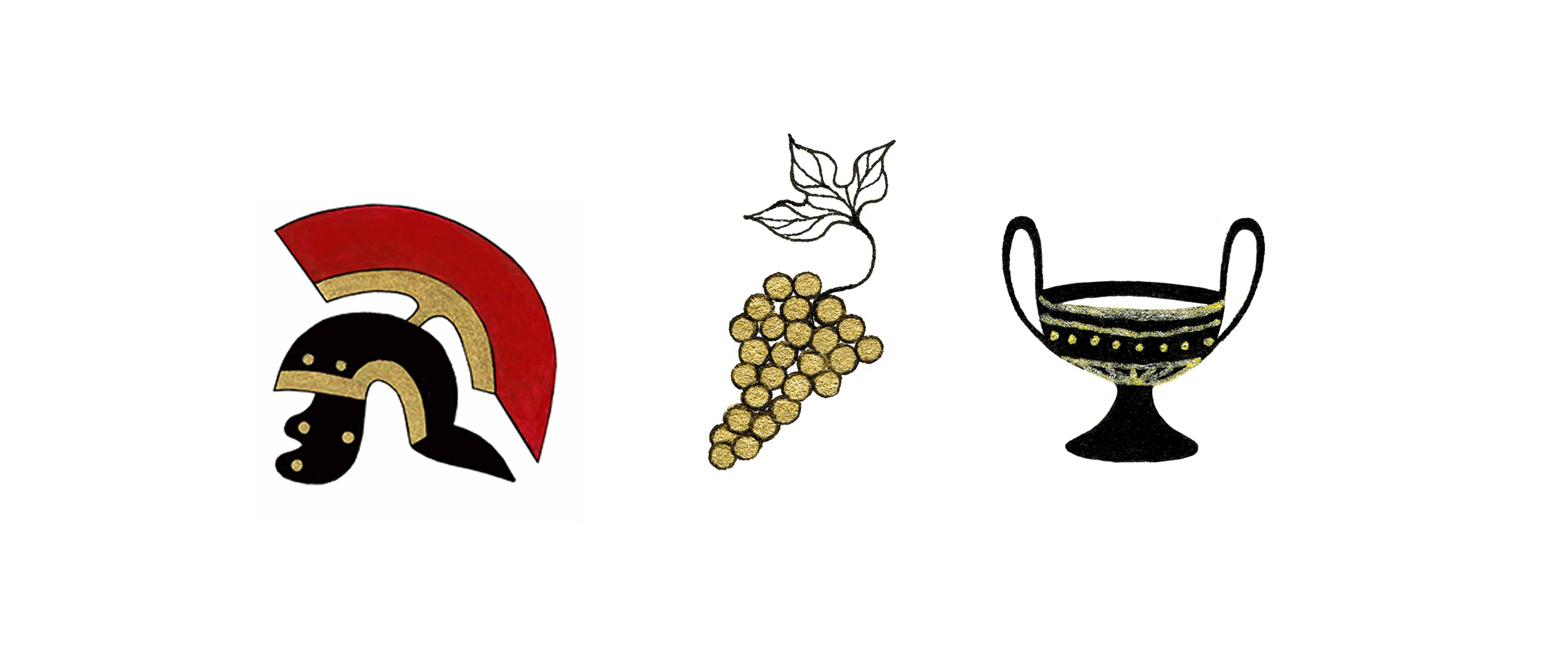
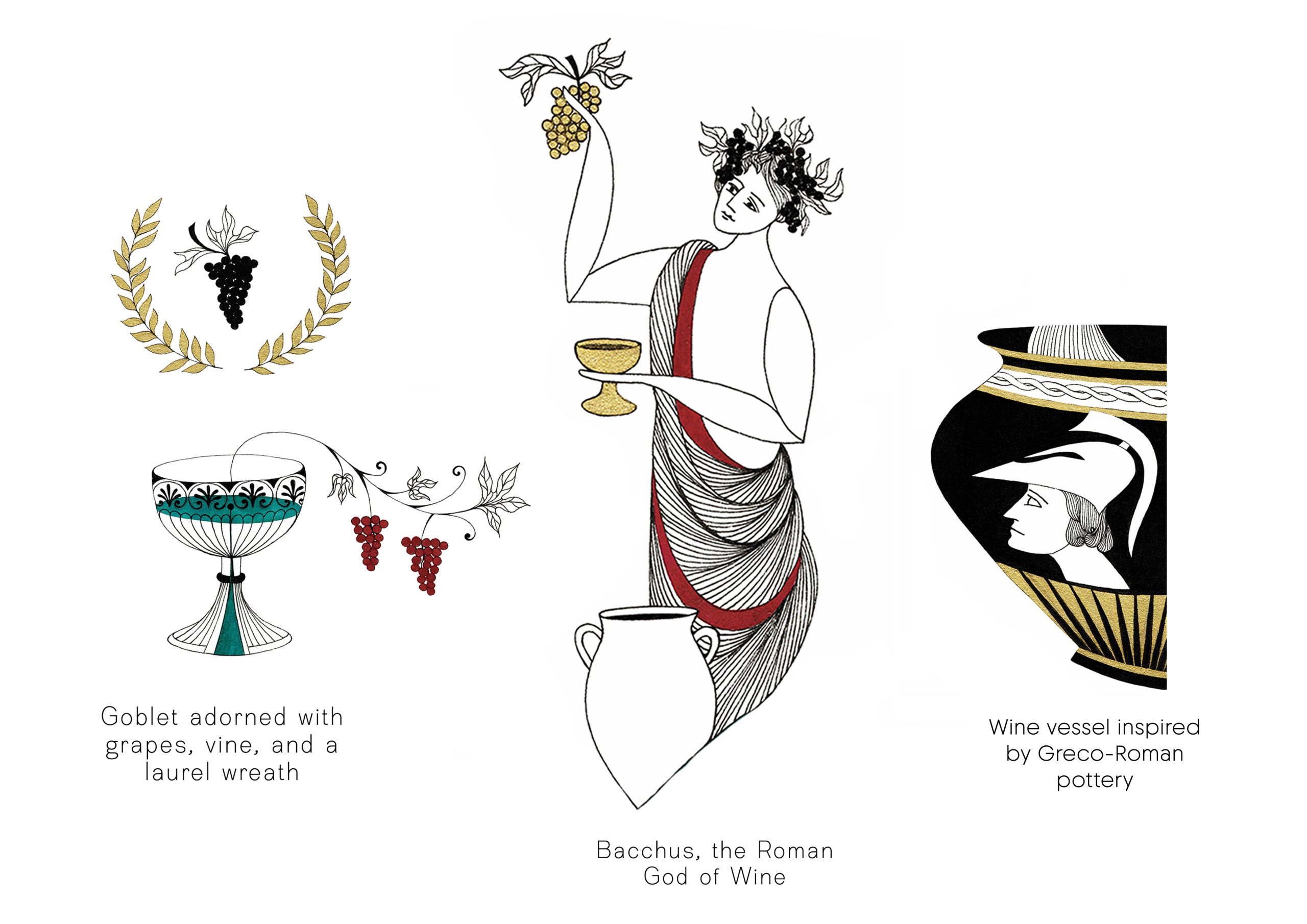
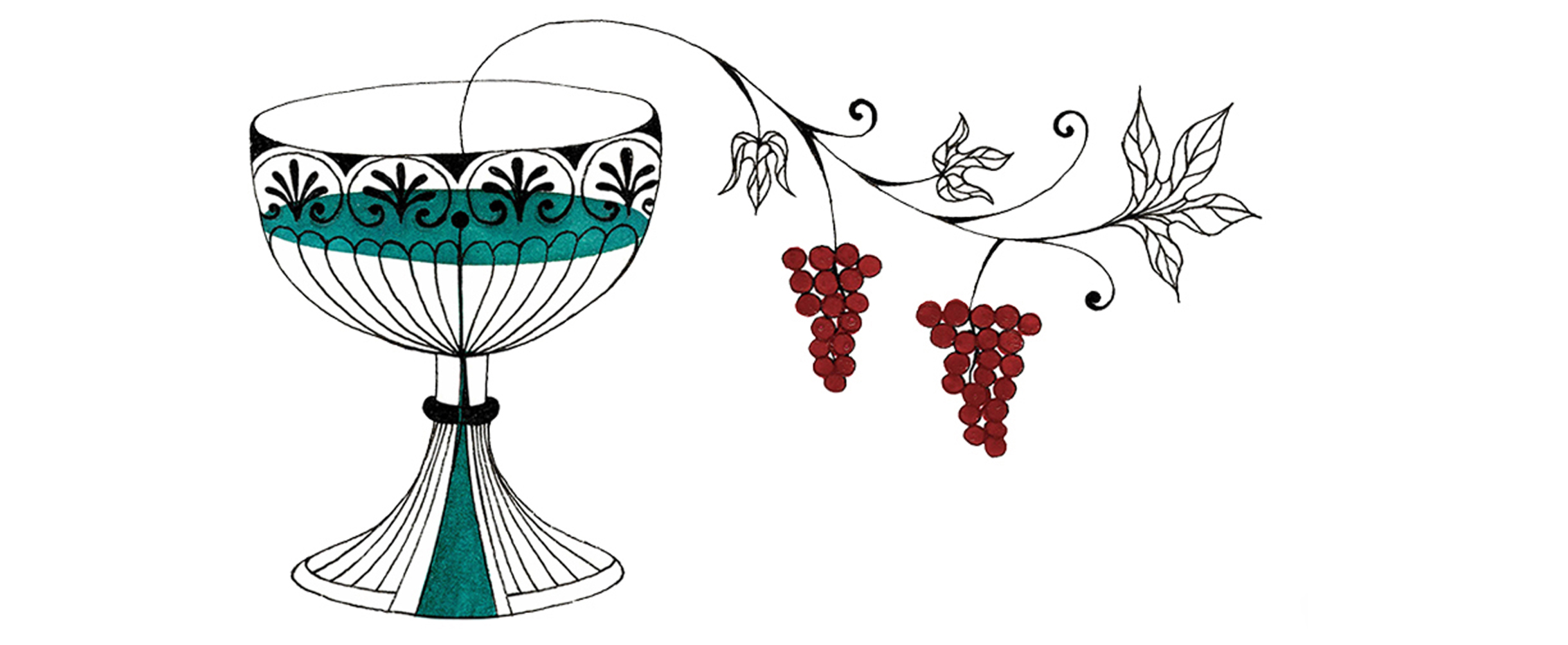
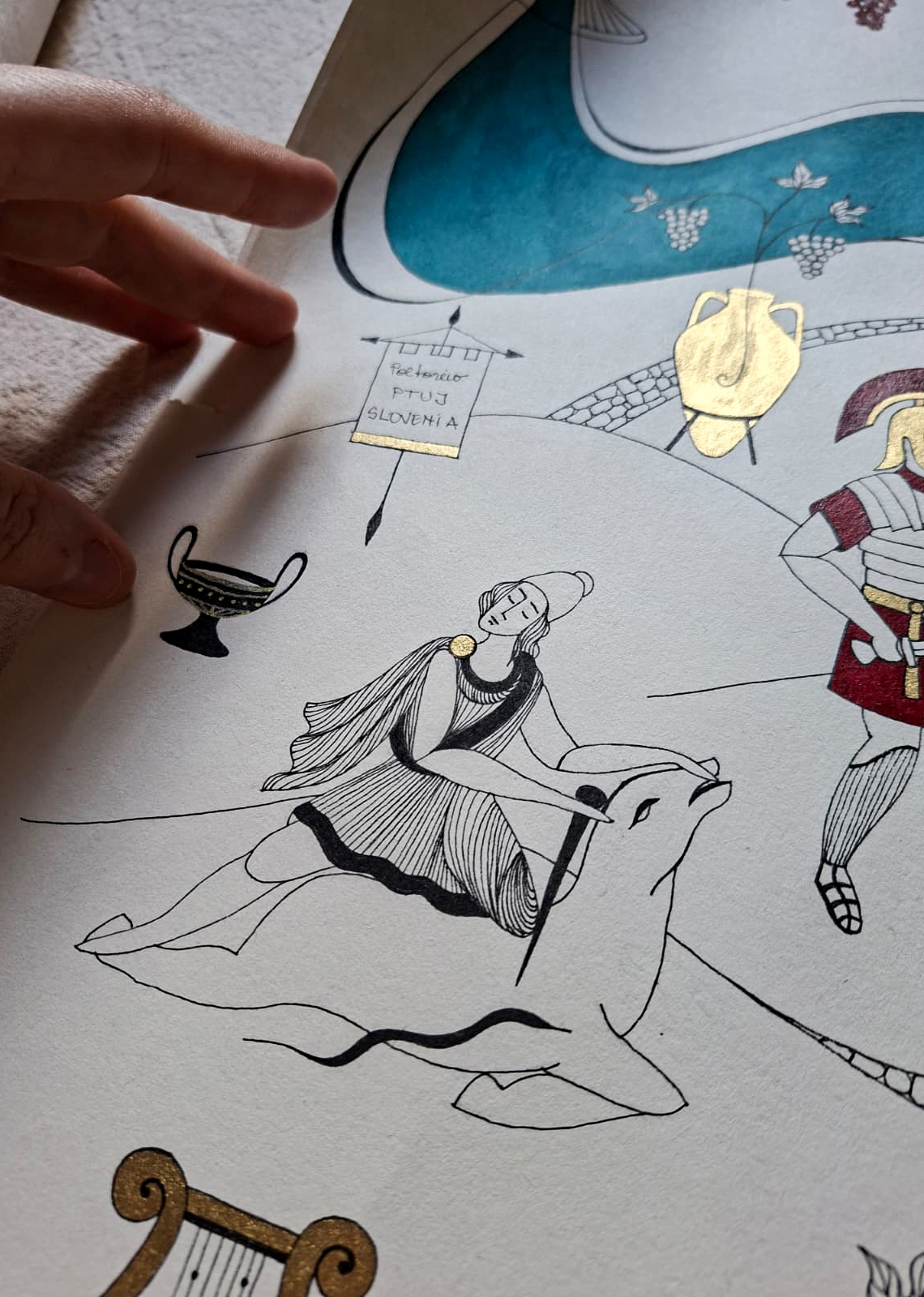
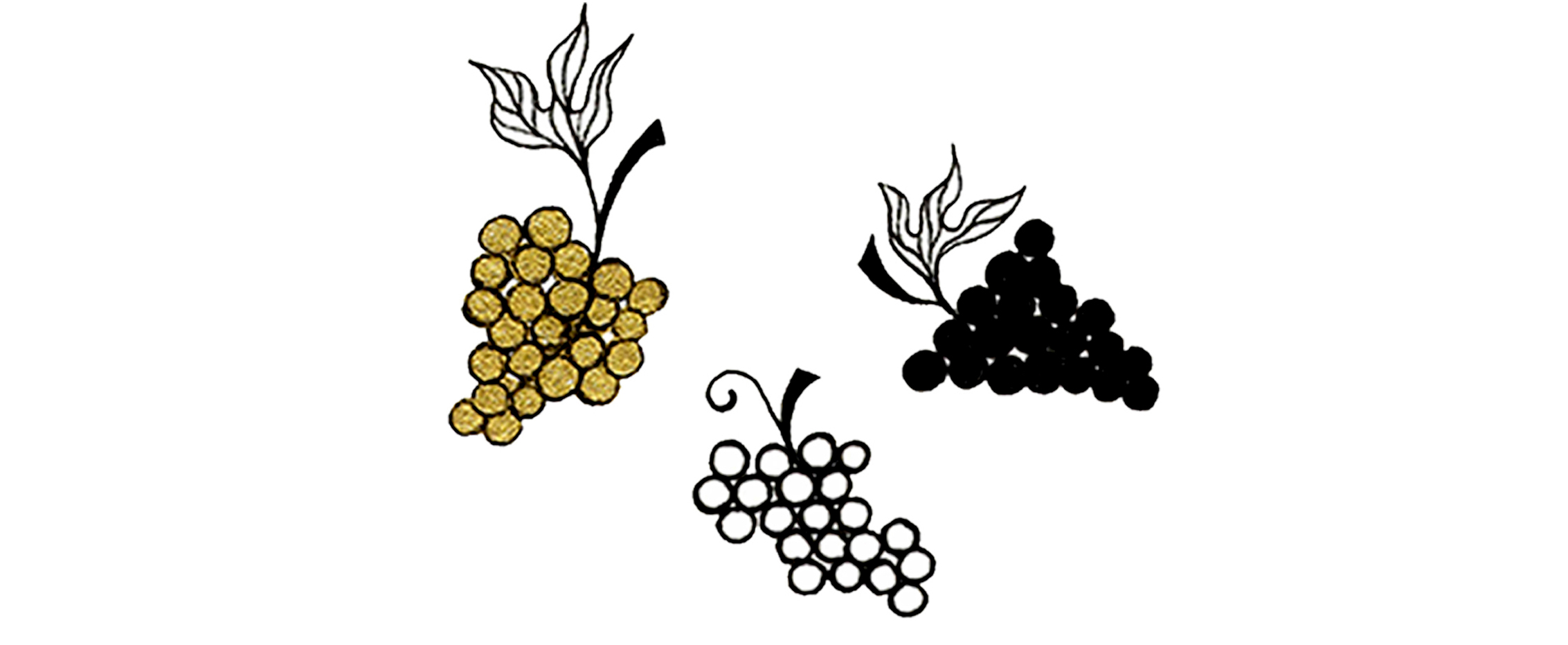
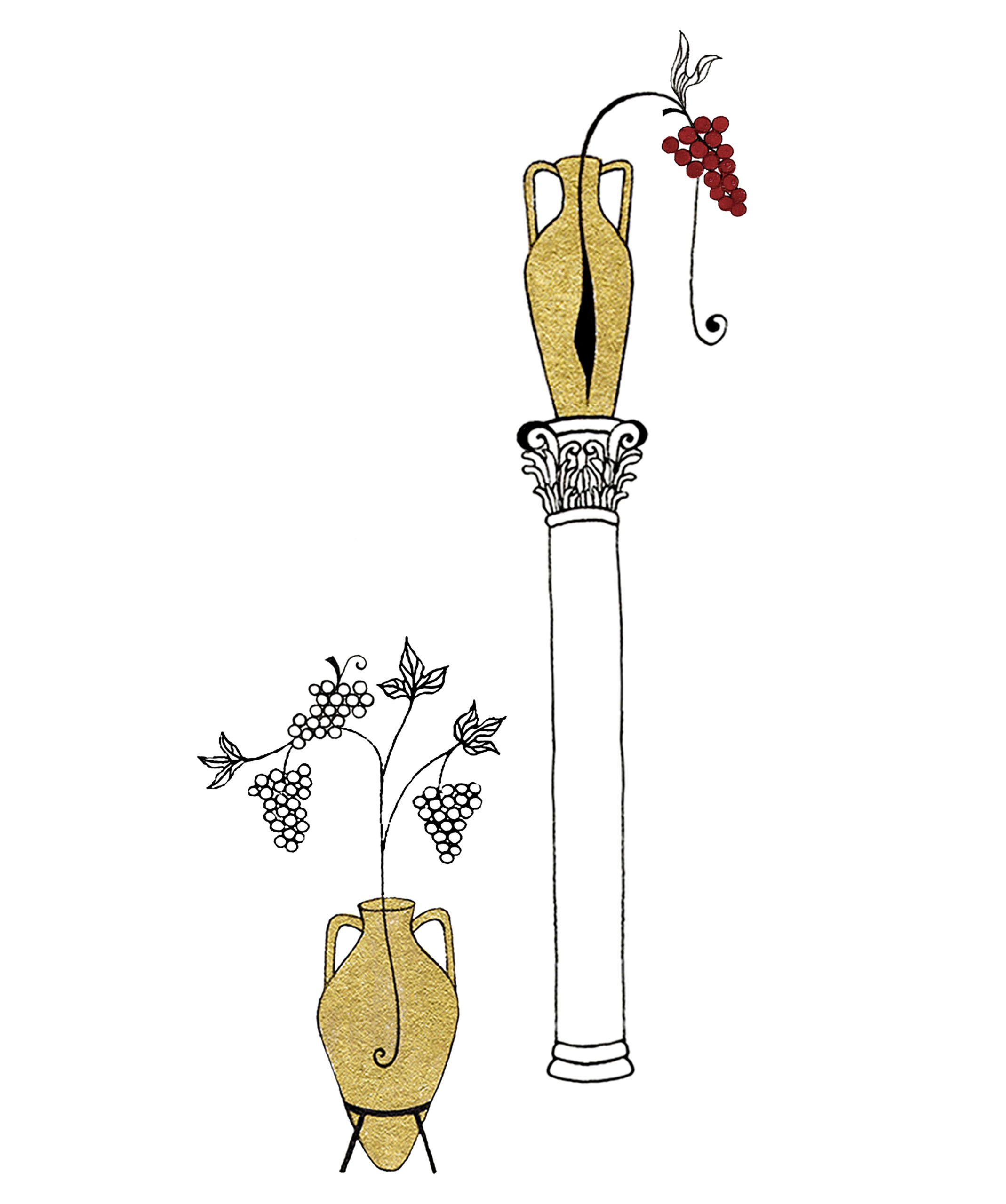
The entire composition is intended to be read as a story: each location’s specific elements intertwine through recurring symbols: wine, grapes, amphorae, goblets, deities, and Roman Emperors, all united in a coherent visual narrative.
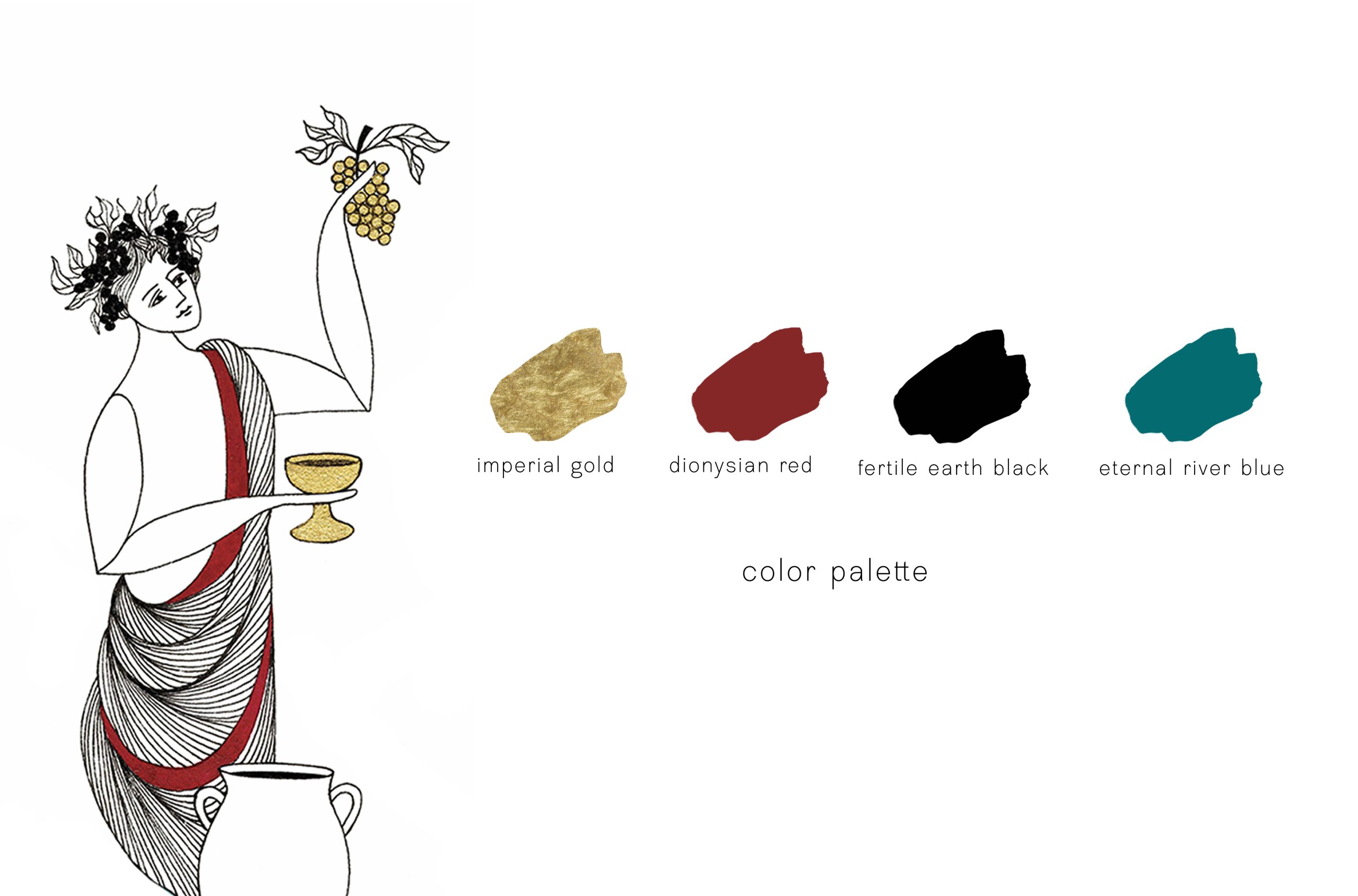
The chosen chromatic palette, based on black, gold, white and red, evokes the world and grandeur of the Roman Empire, while the Danube stands out in the vivid blue of its waters, bringing balance and vitality to the composition.
This work is not merely a cartographic route but rather a visual tale, a tapestry of symbols and images that breathe life into the history of wine, water, and the Roman Emperors who journeyed along the riverbanks across the centuries.
“Before borders were carved and nations were named, I was here. I was the line between worlds and the lifeblood of many. Empires did not build me — I carried them.”
I am the Danube. The Danubius. The river that whispered to the Romans, long before their maps stretched across continents. I flowed through lands where vineyards grew wild, where tribes bartered in wine and warriors toasted under stars. I offered my waters to emperors, my shores to soldiers, my valleys to vine.
You, traveler, are not merely walking ruins. You are stepping into a story I never stopped telling.
You are a guest at a banquet once held by emperors, rebels, saints, and farmers. Each place you visit is a toast raised to time.
So come. Let me guide you through my oldest memory. Let me show you where wine and power met — and how both still linger in the land, in the soil, in the glass.”
(excerpt from the project storytelling by OnlineHub)
The map was created as a visual story, with elements from each destination and details that connect the narrative, which could then be used to create souvenirs unique to each place.
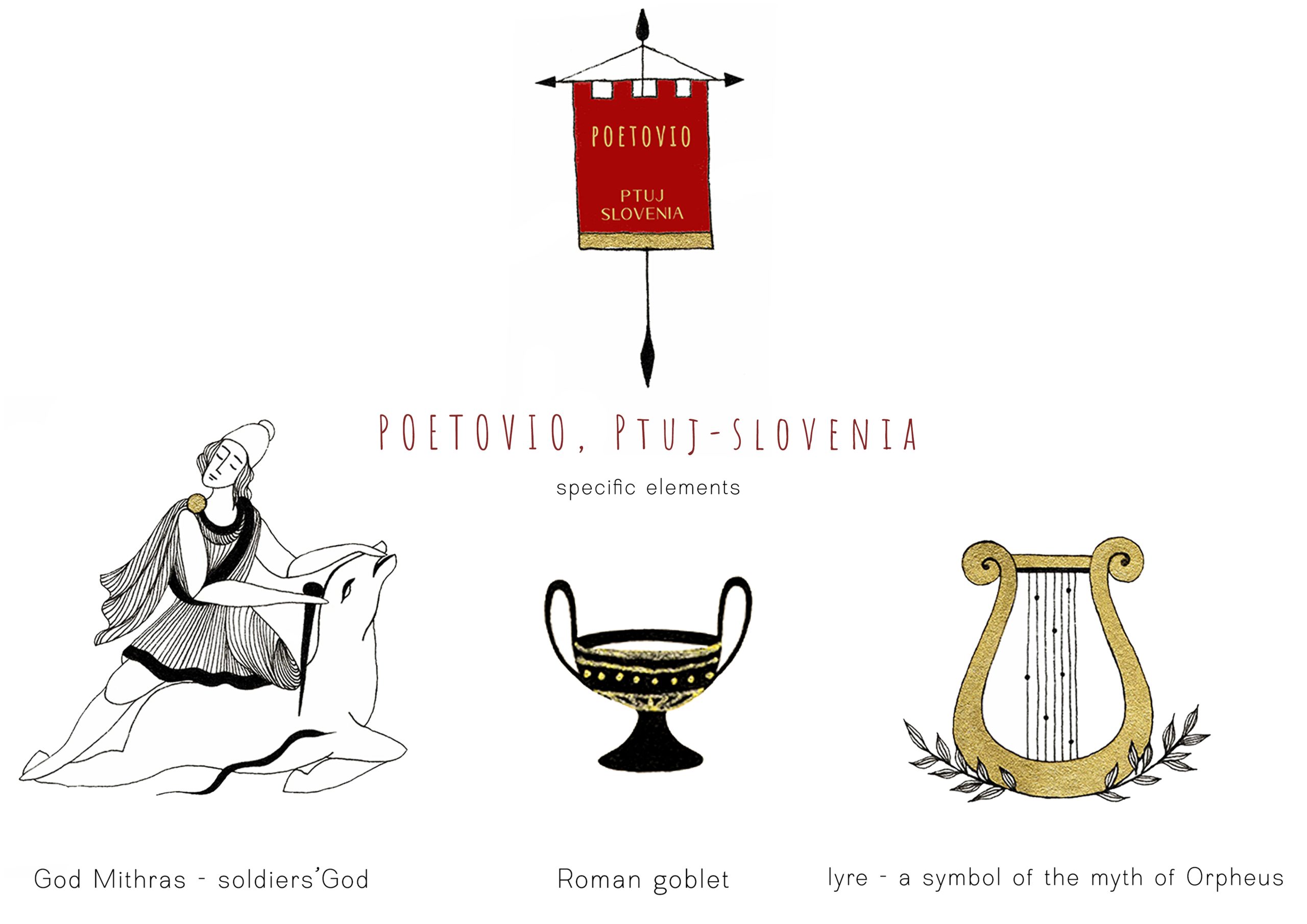
”In Ptuj, the Romans did not replace — they absorbed. They built temples, yes. Forts and roads, yes. But beneath it all ran the same rootstock: the vine.
It is said that the god Mithras — soldiers’ god, secret god — was especially worshipped here. His altars still whisper beneath the stones. And what was poured for him? Wine. Always wine.
Today, Ptuj holds one of the oldest wine cellars in Central Europe. Its barrels are seasoned with imperial breath. Its vineyards still yield what emperors once craved.”
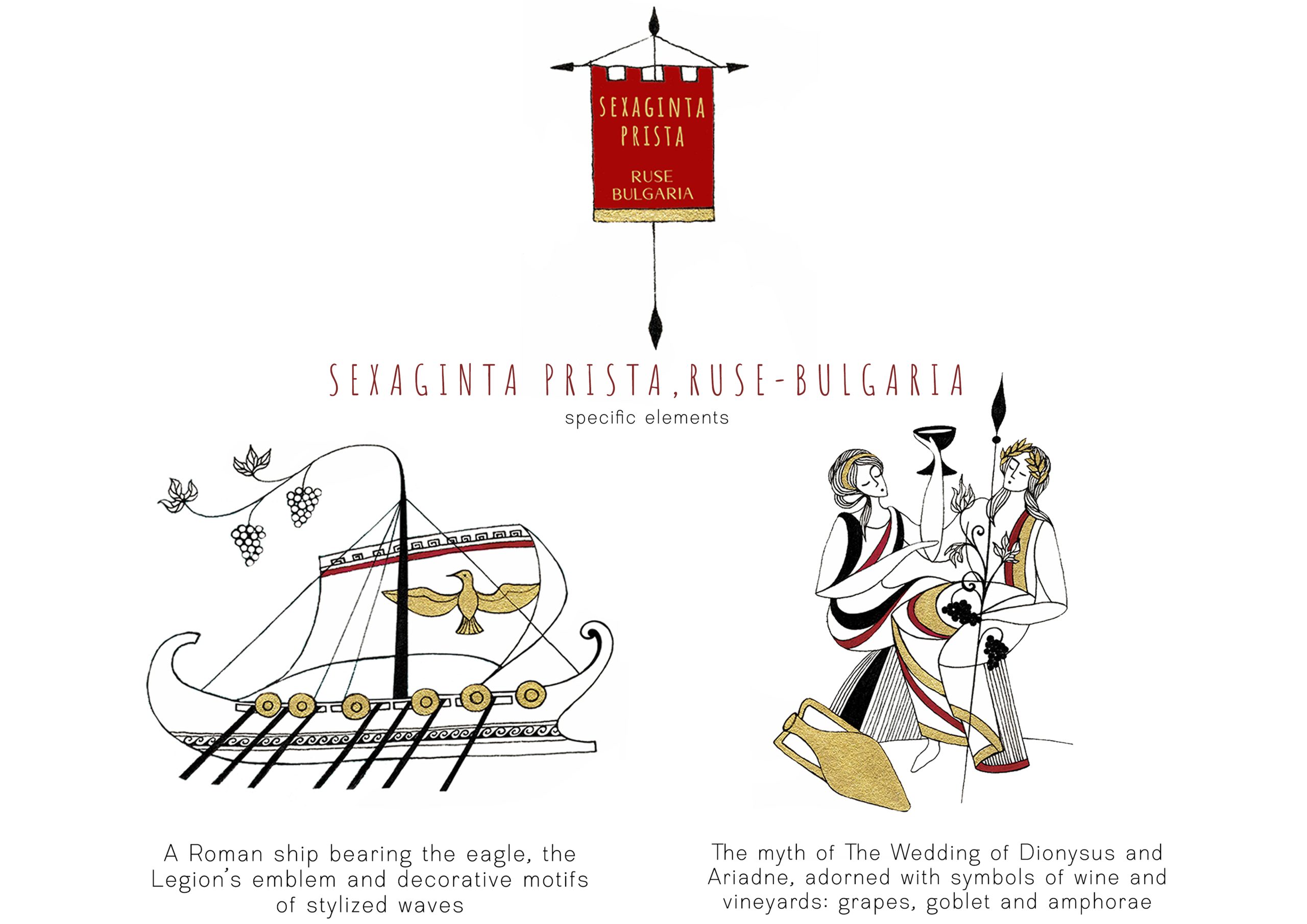
”I remember the first Roman ships that came upstream — low, heavy, carved with the wings of eagles and the teeth of conquest. They docked at Sexaginta Prista — Ruse, as you call it now — where I bent just enough to embrace them. Sixty ships, the name means.
They built walls and watchtowers — but they also brought vines. From Italy, Gaul, and beyond, they carried cuttings in clay, cradled in straw. They planted them in Thracian soil, near the vineyards of those who worshipped Dionysus before Latin was ever spoken. And here, wine was no longer just a drink—it became a language between conqueror and conquered.”
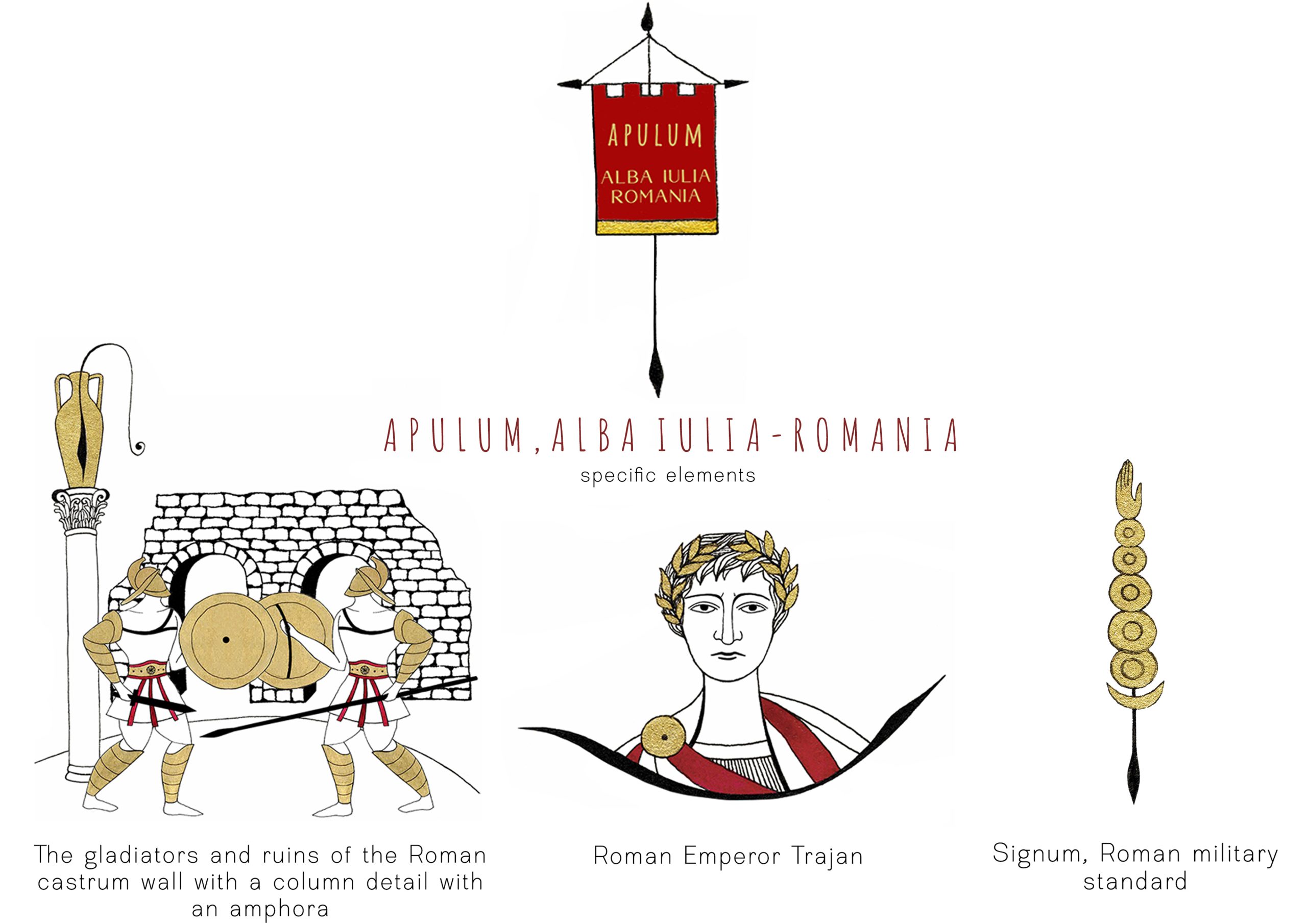
”Further upstream, deeper into the heartland, I led them to Apulum — Alba Iulia. A Dacian hill, once defiant, now echoing with Roman footsteps. Here, Trajan, the emperor of engineers, turned rebellion into foundation, after crossing me by building a monumental bridge.
Walk the castrum walls where Trajan’s soldiers once slept and drank, and where – legend says – the Legio XIII Gemina hid a treasure that contained precious relics and artifacts of inestimable value.”
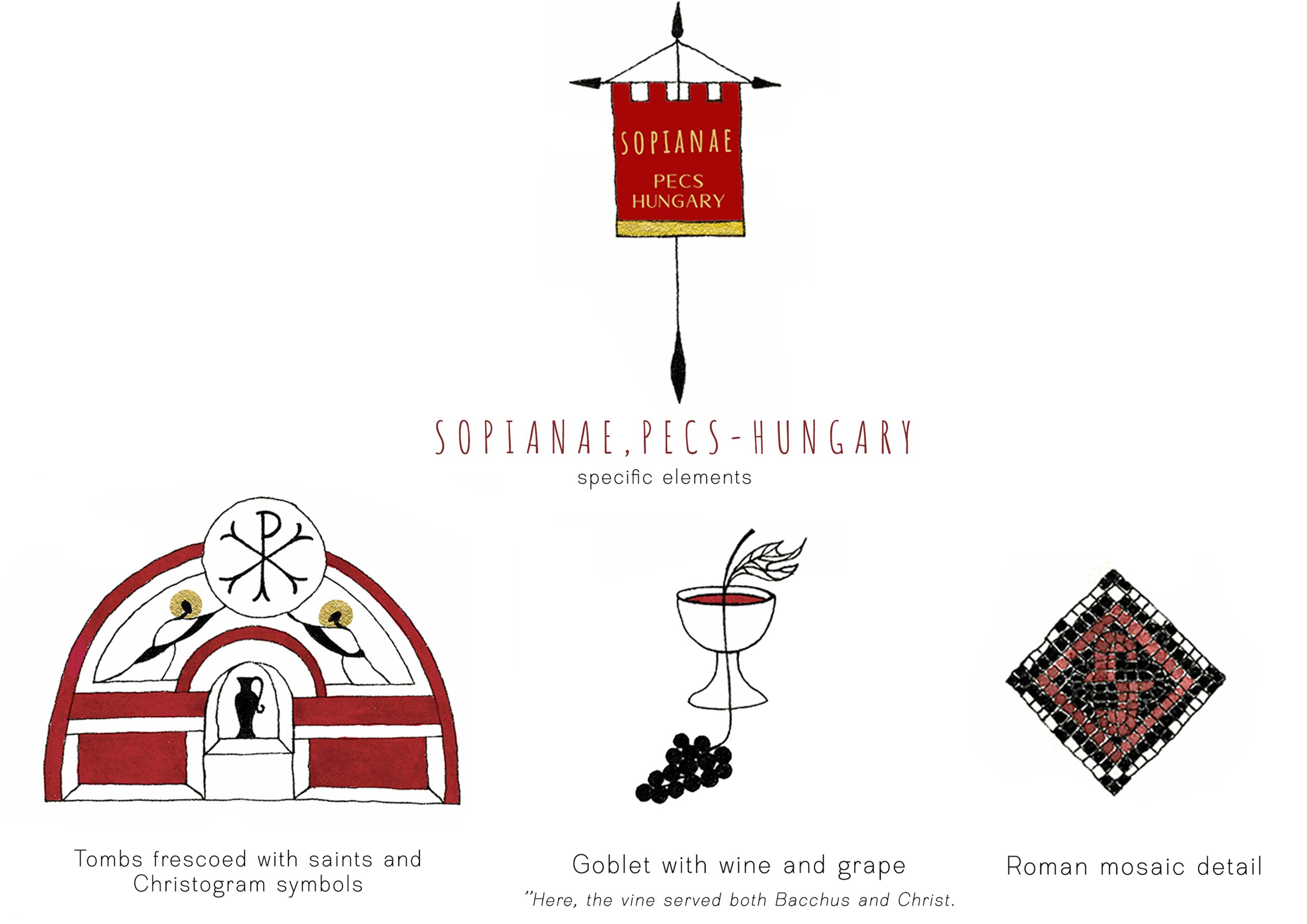
”This was no longer the edge of battle. This was the center of something softer — civilitas. They built bathhouses to cleanse the body, and cellars to nourish the soul. They carved tombs beneath their homes, frescoed with saints and Christogram symbols — but above them, they feasted as mortals do: joyously, greedily, gratefully.
Here, the vine served both Bacchus and Christ. And when the moon rises over the ruins, step into a world where the old gods stir in shadow — where candles flicker against mosaic walls, and storytellers conjure the voices of Saturn, Mercury, and Mars. The feast is not a reenactment. It is a summoning.
And now you, traveler, are seated at the same table. Your glass is full. The stories are waiting. Drink deeply.”
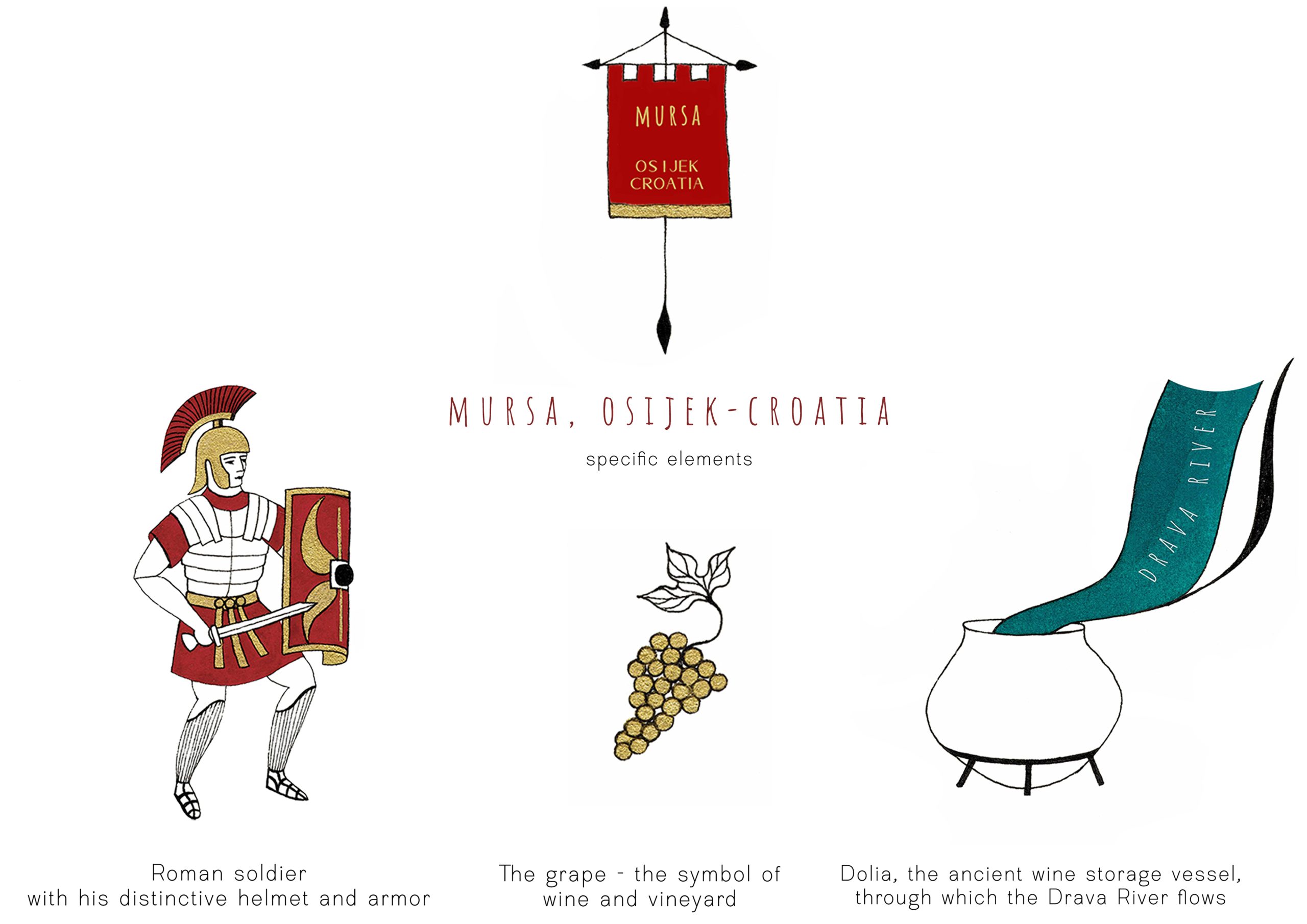
”Mursa stood like a scar on my skin — a crossing, a wound, a story.
Here, battles raged. Emperors lost and won. One of the bloodiest civil wars of the empire was fought on this soil. But still, the vine grew.
Wine was poured for generals, and for the dead. It was comfort. It was currency. It was confession.”
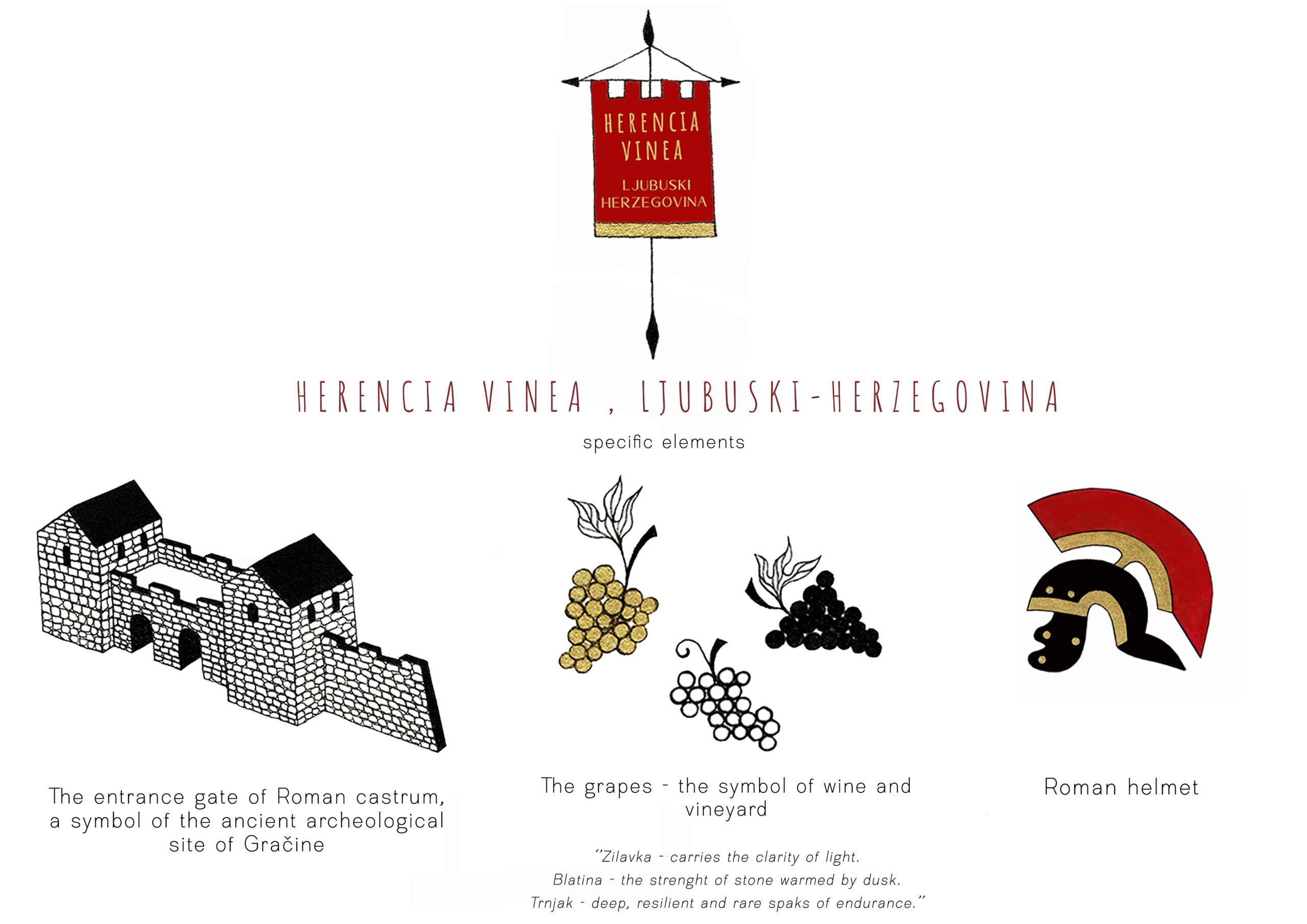
”In the heart of Herzegovina, wine was never just drunk. It was an offering. Memory. A way to belong.
The soldiers brought their gods, but the land offered its own altar: the vineyard.”
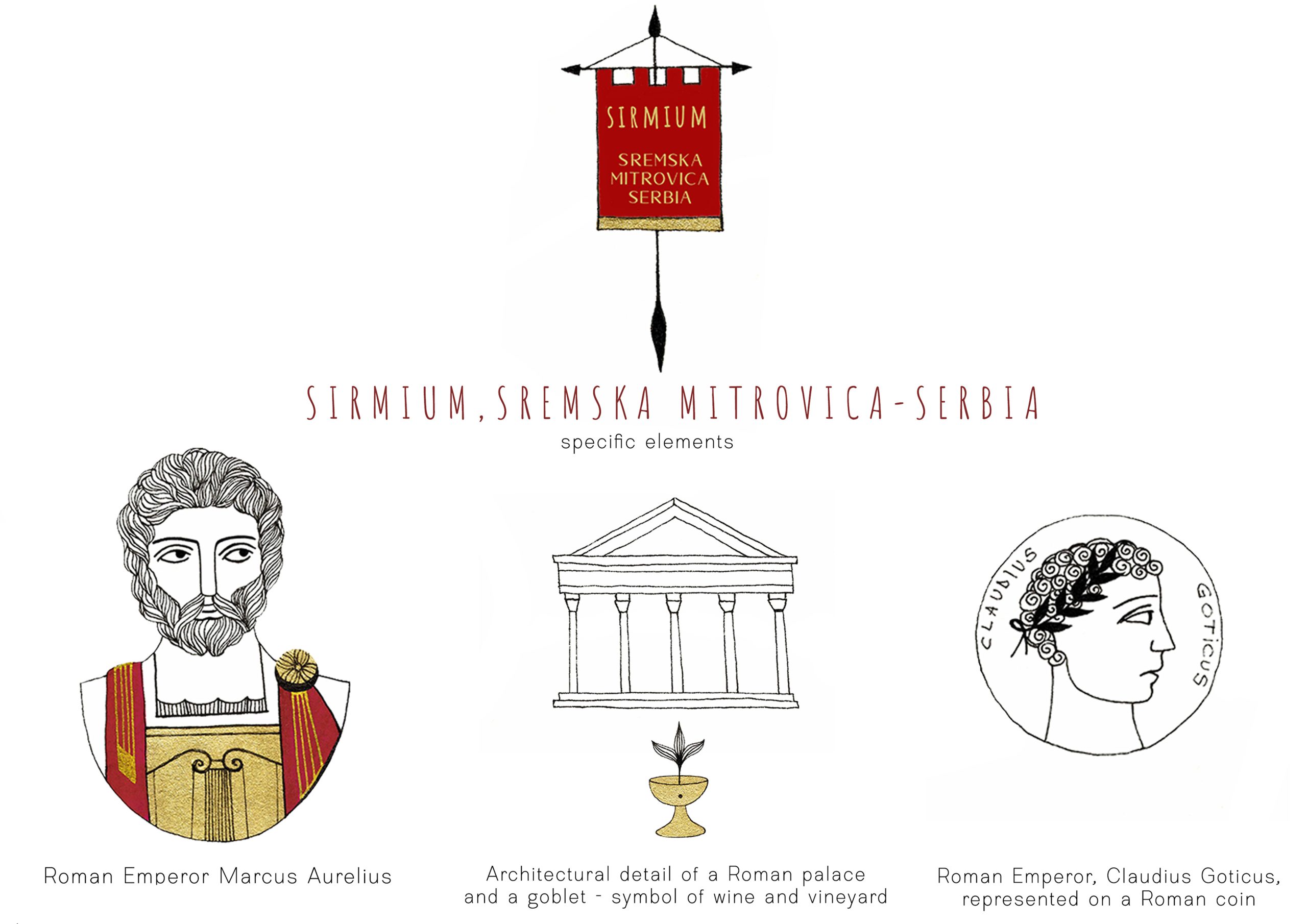
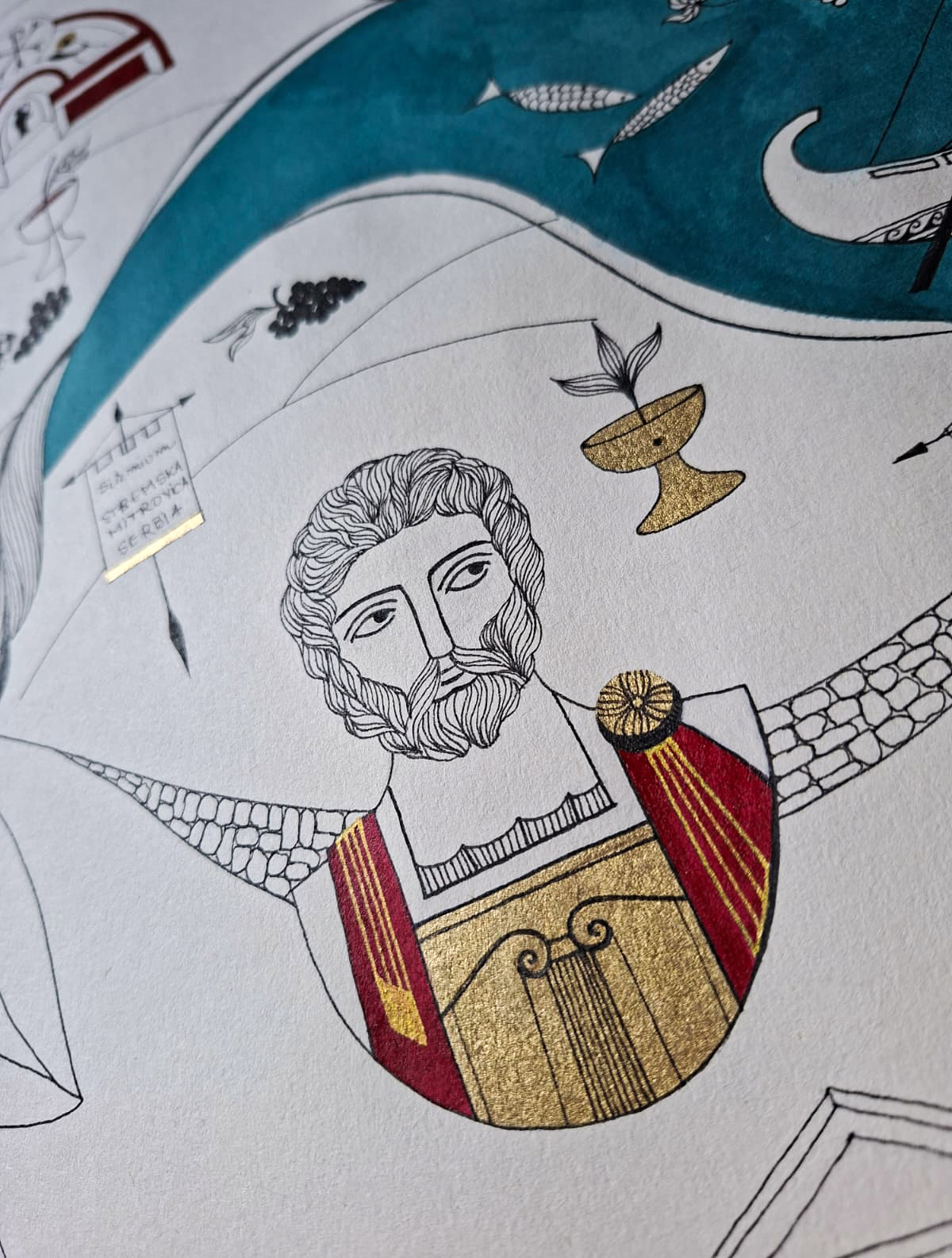
“Of all my cities, this one wore the crown the longest. Sirmium — the mirror of empire, where emperors were not just remembered… they were born.”
Here, in Sirmium, I held Rome’s breath. They called it the “Fourth Capital” — equal to Trier, Milan, and Nicomedia. From its vineyards and villas came emperors — no fewer than ten.
Emperor Probus — a soldier, a farmer, a dreamer. He believed in vines more than violence. “Let the soldiers plant instead of fight,” he said. I remember that.
This is your final cup on this journey — not the strongest, but the most reflective. Because here, at the empire’s inner edge, Rome did something rare: It paused. It looked back. And so must you.
As you taste the final wine, ask yourself — what lingers? The grandeur? The battles? The buried gods? Or is it something quieter: the touch of a farmer’s hand on a vine…? ”
“You have walked with emperors. Drank with gods. You have stood in the shadow of vanished walls and raised a glass in their name.”
You followed the footsteps of those who came before. You felt the weight of a goblet once lifted to Jupiter, to Christ, to Caesar. And in doing so, you became part of this river’s memory.
“I do not end. I flow.” And now, so do you.”
The visual concept of the cultural route was entirely sketched and painted by hand, using traditional graphic techniques — fine liner, watercolor, and ink on paper, with touches of gold pigment. The approach draws inspiration from the craftsmanship and visual language of old maps, where every line, symbol, and detail was carefully created by hand.
Research & Documentation
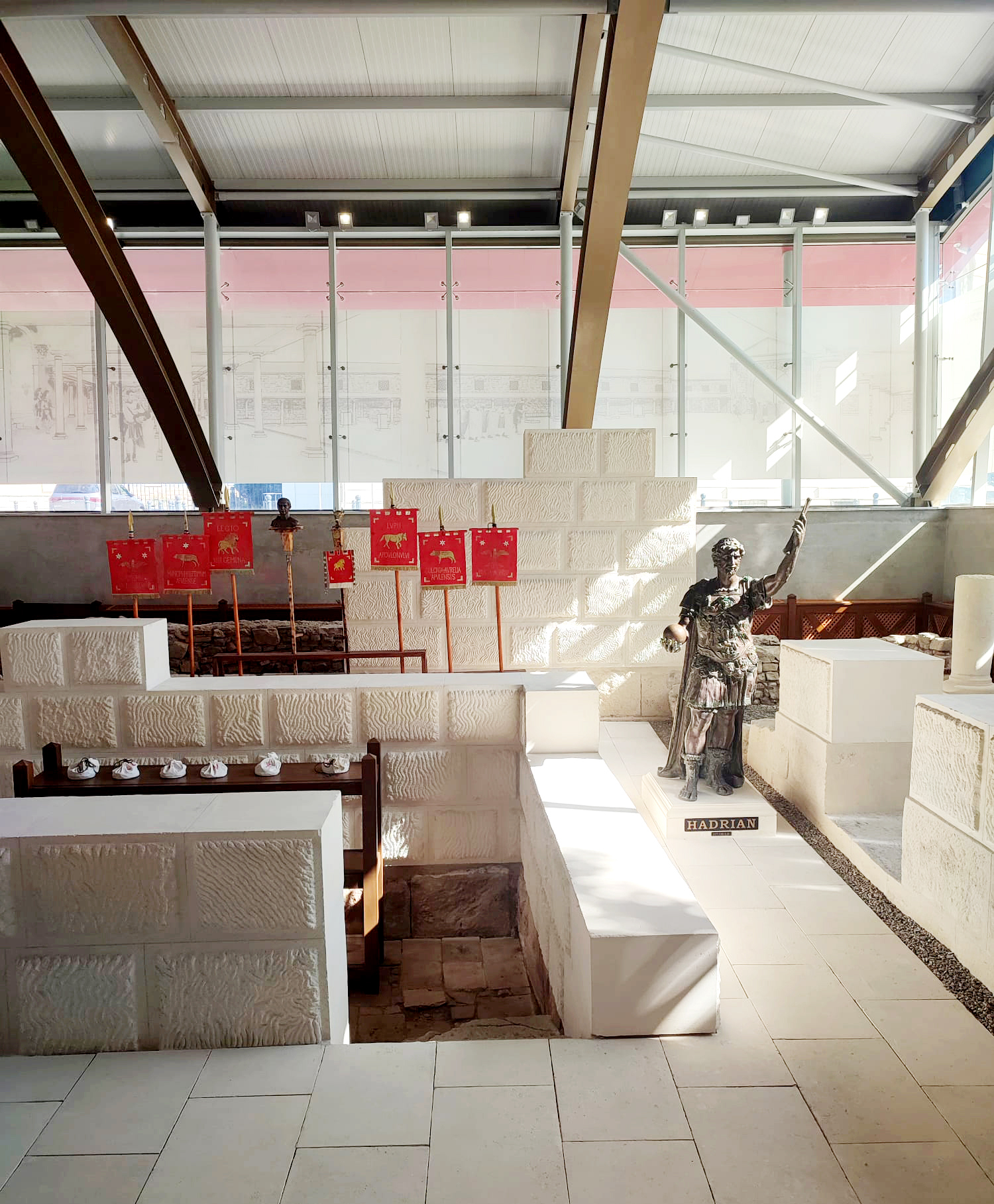
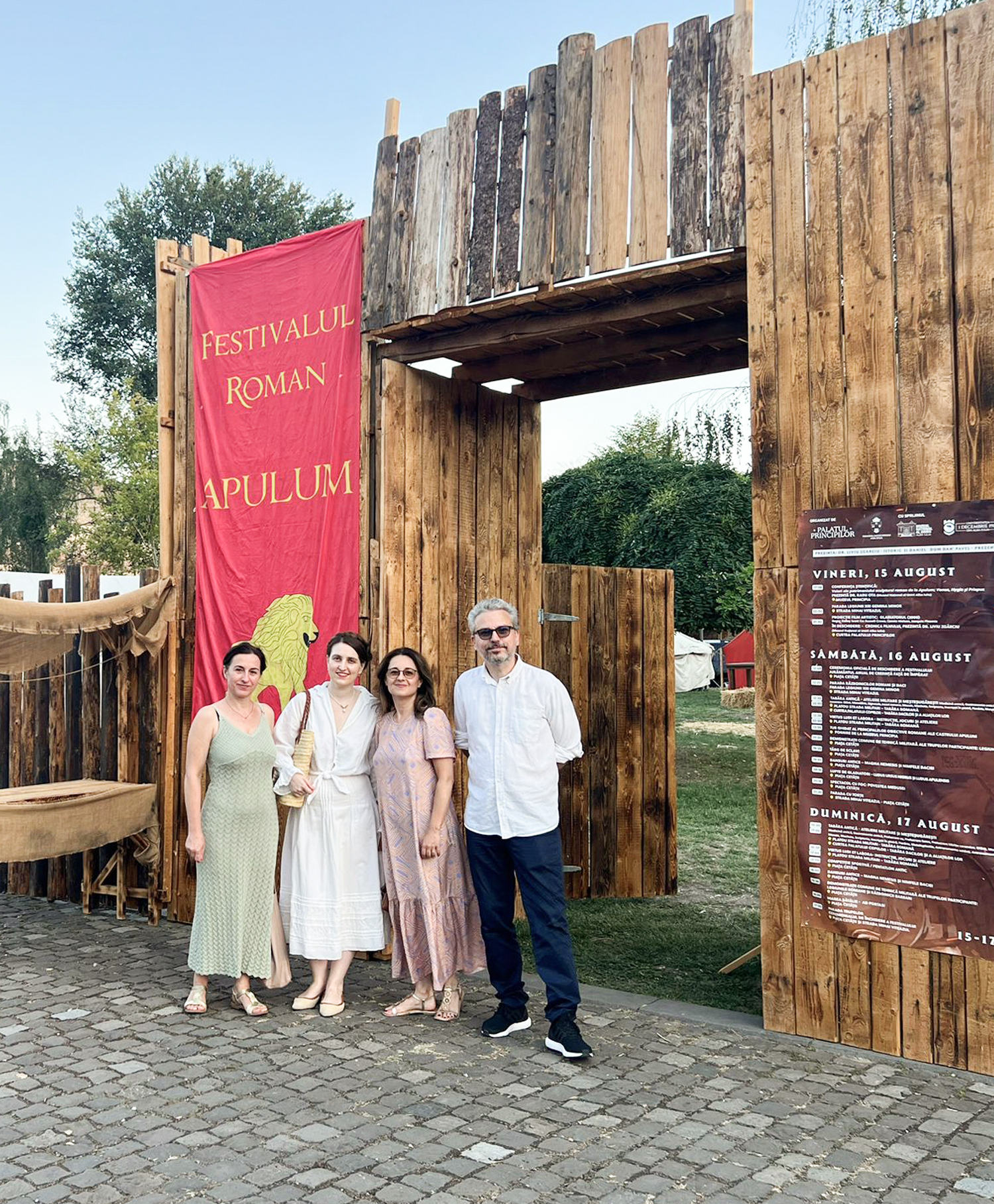
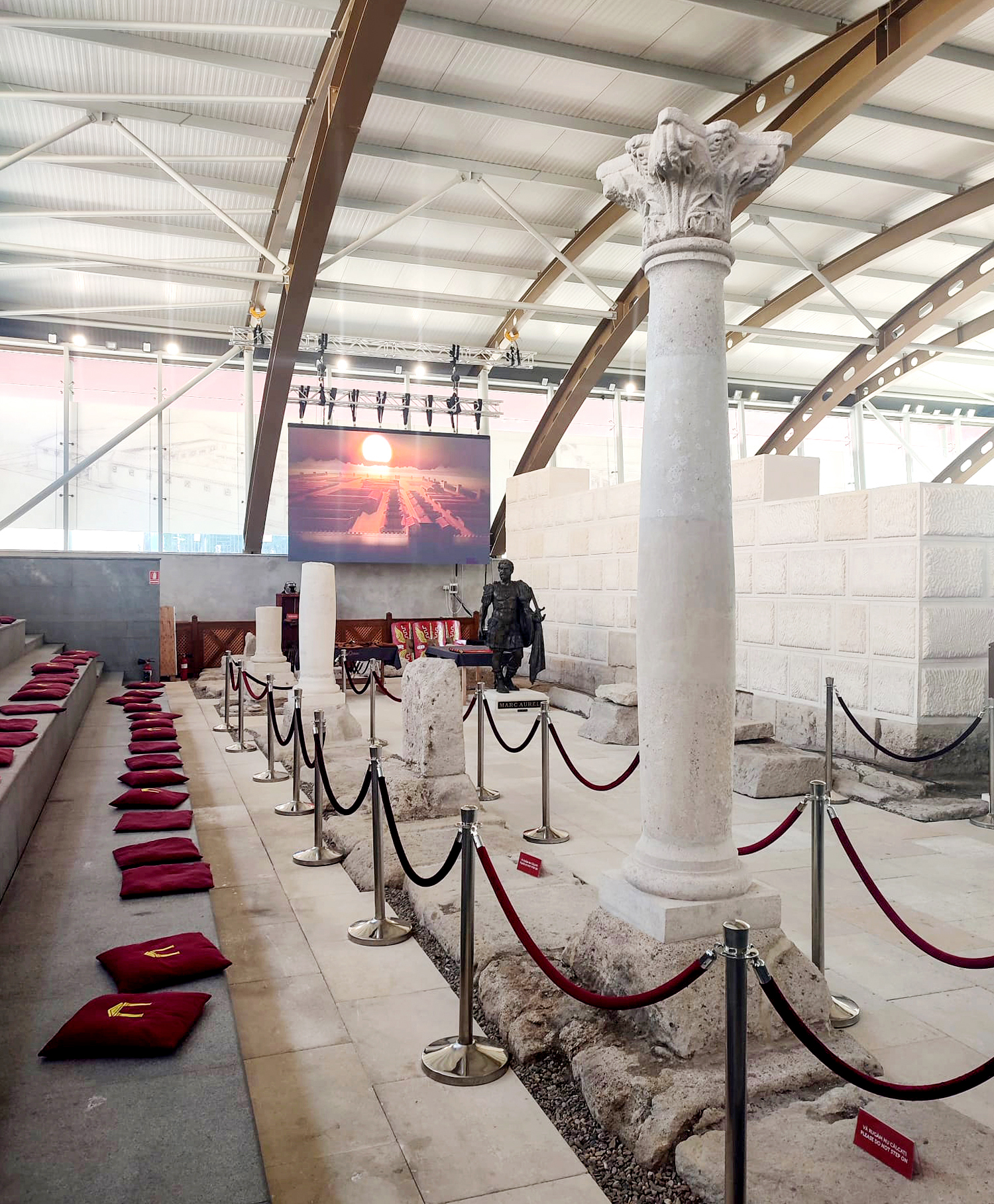
The project began with a research and documentation visit to Alba Iulia, together with the Online Hub project team. Exploring the archaeological heritage of ancient Apulum, the museum collections, and the historical context of the city offered an important visual foundation for the development of the illustration.
The documentation also connected the project with the atmosphere of Apulum Roman Festival, an event that brings the ancient Roman world back to life through historical reenactments, costumes, rituals, crafts, and military demonstrations. These encounters with the material and visual culture of Roman Apulum became part of the references that informed the final graphic language of the project.
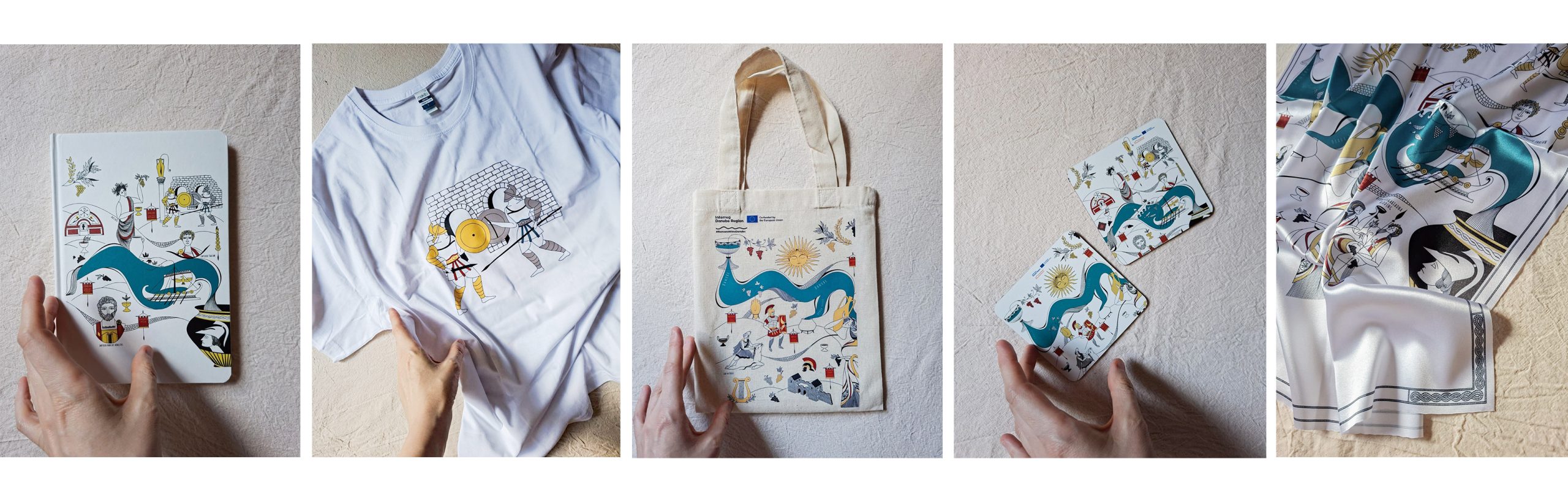
Souvenirs & Applications
A series of souvenirs featuring the visual identity created for the project.